
 By Dr. Meir Tako, DC, CCSP · Updated · 8 min read
- A sports chiropractor focuses on how your joints, muscles and nervous system work together under athletic load, not just on the spot that hurts.
- Sports chiropractic works best alongside physical therapists, athletic trainers and sports medicine doctors, not instead of them.
- It can help with recurring injuries, mobility limits, asymmetries and return to sport. Fractures, ruptures and red-flag symptoms need a medical doctor first.
- When choosing one, ask about sports credentials, how they assess you and when they refer out.
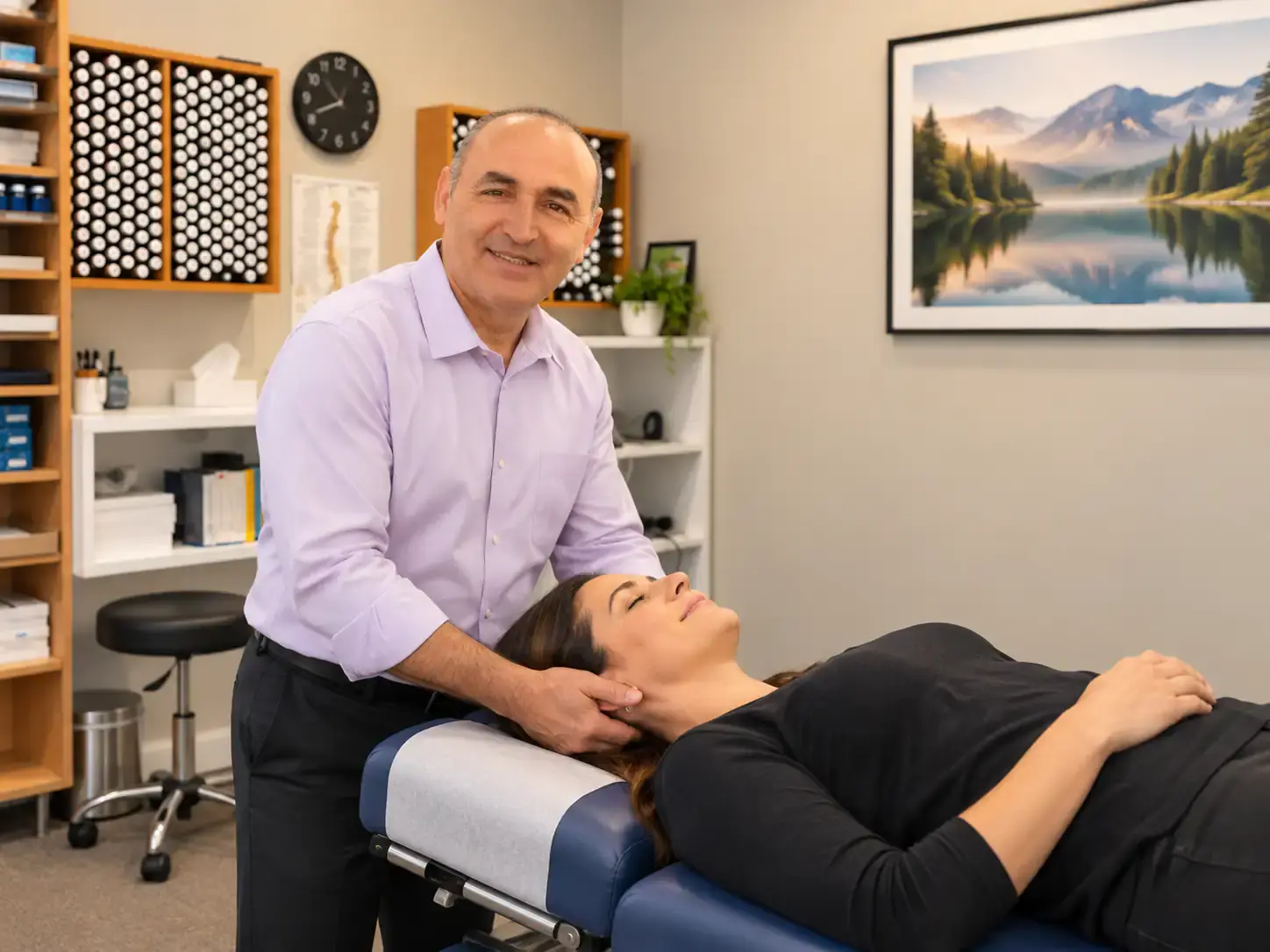
A chiropractor can be a useful part of an athlete's care team, especially for recurring injuries, stiffness, movement asymmetries and getting back to sport. A sports chiropractor assesses how joints, muscles and the nervous system work under load. It's not a substitute for medical care when there's a fracture, a ruptured ligament or other red-flag symptoms.
Is a chiropractor good for athletes?
For many athletes, yes. A chiropractor can be a useful part of your care team, especially if you deal with recurring injuries, stiffness, one side that never feels right, or a slow return to sport. It’s not a replacement for medical care, and it isn’t the right first step for every injury.
The key is fit. A good sports chiropractor knows what your sport asks of your body, works with your other providers and is honest about what they can and can’t help with.
What is a sports chiropractor?
A sports chiropractor is a chiropractor who focuses on how the body moves and holds up under athletic load. The goal goes beyond easing pain. It’s to find the joint, muscle or nervous-system problem behind an injury, get you back to training safely and lower the chance it happens again.
Some sports chiropractors hold a postgraduate credential such as the CCSP (Certified Chiropractic Sports Practitioner). That training adds focus on sports injuries, on-field care and performance. Dr. Tako holds the CCSP and has been in practice since 1998.
In practice, a sports chiropractic visit usually includes:
- Movement and strength testing, not just a look at the sore spot.
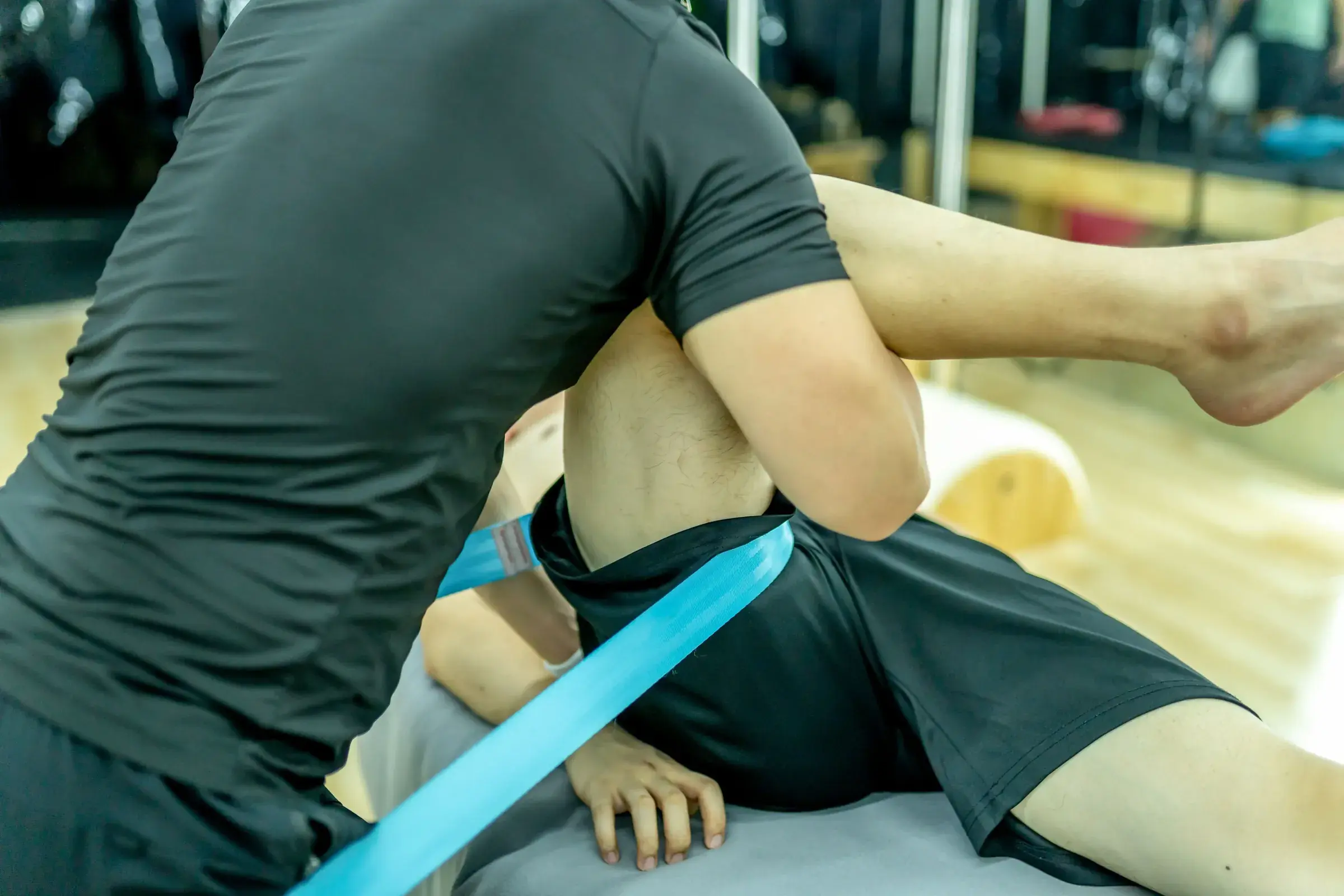
- Hands-on care, such as chiropractic adjustments and soft-tissue work.
- Nervous-system testing, such as P-DTR, where muscles test weak or a pattern keeps coming back.
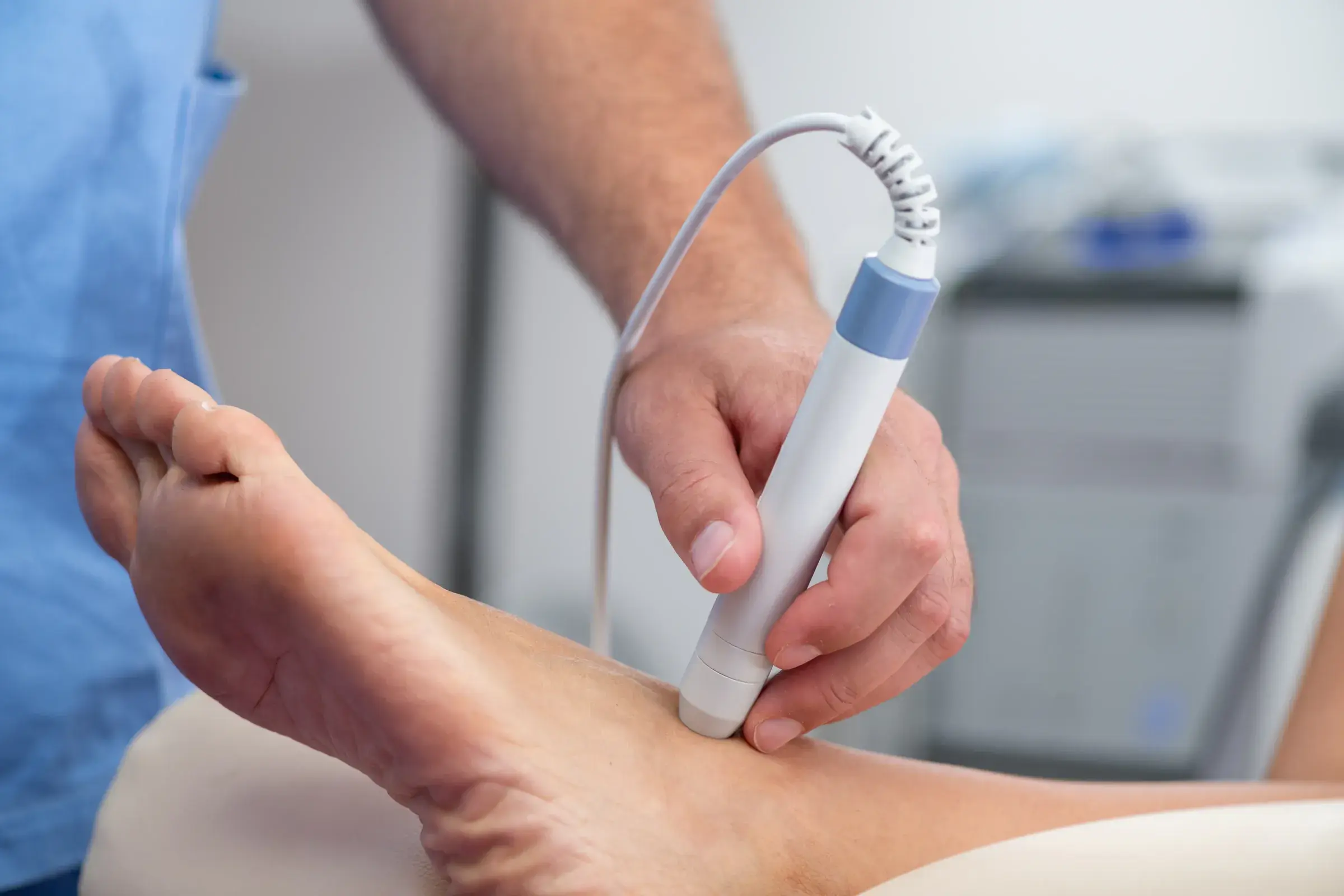
- Tools for stubborn tendon problems, such as shockwave therapy, where it’s appropriate.
How is a sports chiropractor different from a physical therapist or sports medicine doctor?
They overlap, but each brings something different. The best results often come when they work together.
- Sports medicine doctors diagnose and manage injuries medically. They can order imaging, prescribe medication, give injections and refer you to surgery. They’re the right first stop for a suspected fracture, rupture or serious injury.
- Physical therapists are experts in rehabilitation. They build strength, control and capacity through progressive exercise, and they guide recovery after surgery.
- Athletic trainers are often on the sideline. They handle on-field assessment, taping, injury prevention and day-to-day care for teams.
- Sports chiropractors focus on how joints move and how the nervous system controls muscles. They can help when a joint is restricted, a movement pattern is off or an old injury keeps influencing how you move.
There’s no rivalry here. An athlete might see a sports medicine doctor to rule out a tear, a physical therapist to rebuild strength and a chiropractor to restore movement and address the pattern behind it. When everyone knows what the others are doing, you get back faster.
When can a chiropractor help an athlete?
Chiropractic care tends to help most when the problem is about how you move rather than a structural injury that needs medical repair. Common examples:
- Recurring injuries. The same hamstring, the same shoulder, the same calf, season after season. Often the cause sits somewhere else, like an old ankle sprain that changed how you load the leg.
- Mobility limits. A hip that won’t rotate for your golf swing, a thoracic spine that limits your overhead press, a neck that stiffens after sparring.
- Asymmetries. One side tight or weaker than the other. These can come from old injuries, sport demands or how your nervous system has learned to protect you.
- Return to sport. After the tissue has healed, many athletes still don’t move the way they did. Care can help close that gap.
- Nagging pain without a clear diagnosis. When imaging is clear but something still isn’t right.
Some of the most common areas we see in athletes are knee pain, shoulder pain and hip pain. For pain that has hung on for months, see our page on chronic pain.
When should an athlete see a doctor instead?
See a medical doctor first if there’s any chance of a serious structural injury or a medical problem. Chiropractic care isn’t appropriate for these until a doctor has evaluated you.
Signs that need medical care first include:
- A suspected fracture: severe pain, deformity, swelling or being unable to bear weight.
- A suspected ligament or tendon rupture: a pop at the time of injury, a joint that gives way, or sudden loss of strength, such as with an ACL or Achilles injury.
- A head injury or any concussion symptoms: headache, dizziness, confusion, nausea or vision changes.
- Numbness, tingling or weakness that is spreading or getting worse.
- Loss of bladder or bowel control, or numbness in the groin or inner thighs. This is an emergency.
- Pain with fever, unexplained weight loss or night pain that doesn’t change with position.
This is also the honest answer to a common search, “what is a red flag in chiropractic?” Any provider you see should screen for these and refer you out when they show up. Dr. Tako does.
Do pro athletes go to chiropractors?
Yes, many do. Many professional and college teams across major sports have chiropractors on staff or working with them as consultants, alongside team physicians, physical therapists and athletic trainers. Plenty of individual pro athletes also see a chiropractor on their own.
In our own practice, Dr. Tako has worked with athletes like a two-time No-Gi jiu-jitsu world champion and an NFL player, as well as many runners, martial artists, golfers and weekend competitors.
He knows sport from the inside. His own background includes competitive running, track and field, martial arts, archery and sailing, so he knows what you’re asking of your body. You can read more about Dr. Tako.
Should athletes get chiropractic adjustments?
Adjustments can help when testing shows a joint isn’t moving well, but they shouldn’t be automatic. A good sports chiropractor adjusts what the assessment points to and leaves the rest alone.
Some athletes do best with adjustments. Others respond more to nervous-system work or soft-tissue care. Many need a mix. If an adjustment helps for a day and the problem keeps coming back, that’s a sign the driver hasn’t been found yet.
How do I choose a sports chiropractor?
Look for sports-specific training, a thorough assessment and a willingness to work with your other providers. Here are questions to ask before you book:
- Do you have sports-specific training or credentials, like the CCSP?
- Do you work with athletes in my sport? Runners, lifters and grapplers load the body very differently.
- How do you assess me? Look for movement, strength and nervous-system testing, not only a quick spine check.
- Will you work with my physical therapist, trainer or doctor?
- When would you refer me out? A confident, specific answer is a good sign.
- How will we measure progress, and how long until we reassess?
- Can I keep training during care? Often you can, with adjustments to your load.
Be cautious with any provider who promises a fix before assessing you, asks you to commit to a long prepaid plan on day one, or discourages you from seeing a medical doctor.
How do I get started?
If something keeps holding you back, start with a full evaluation. Visit our sports chiropractor page to see how Dr. Tako works with athletes in Sunnyvale, or read what to expect as a new patient.

Dr. Meir Tako, DC, CCSP
Sunnyvale chiropractor since 1998, Certified Chiropractic Sports Practitioner and competitive runner. About Dr. Tako →
Educational content; not a substitute for medical advice. Individual results vary.