
 Medically reviewed by Dr. Meir Tako, DC, CCSP · Updated
Chiropractic care uses specific, controlled adjustments and soft-tissue techniques to restore movement in the joints of the spine and limbs. At The Chiropractic Way, Dr. Tako matches the technique to you — from Gonstead and Activator to flexion-distraction and decompression — and combines it with a whole-body evaluation so treatment addresses why the problem started.
What is chiropractic care?
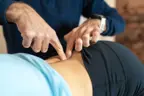
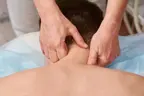
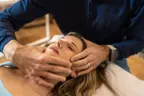
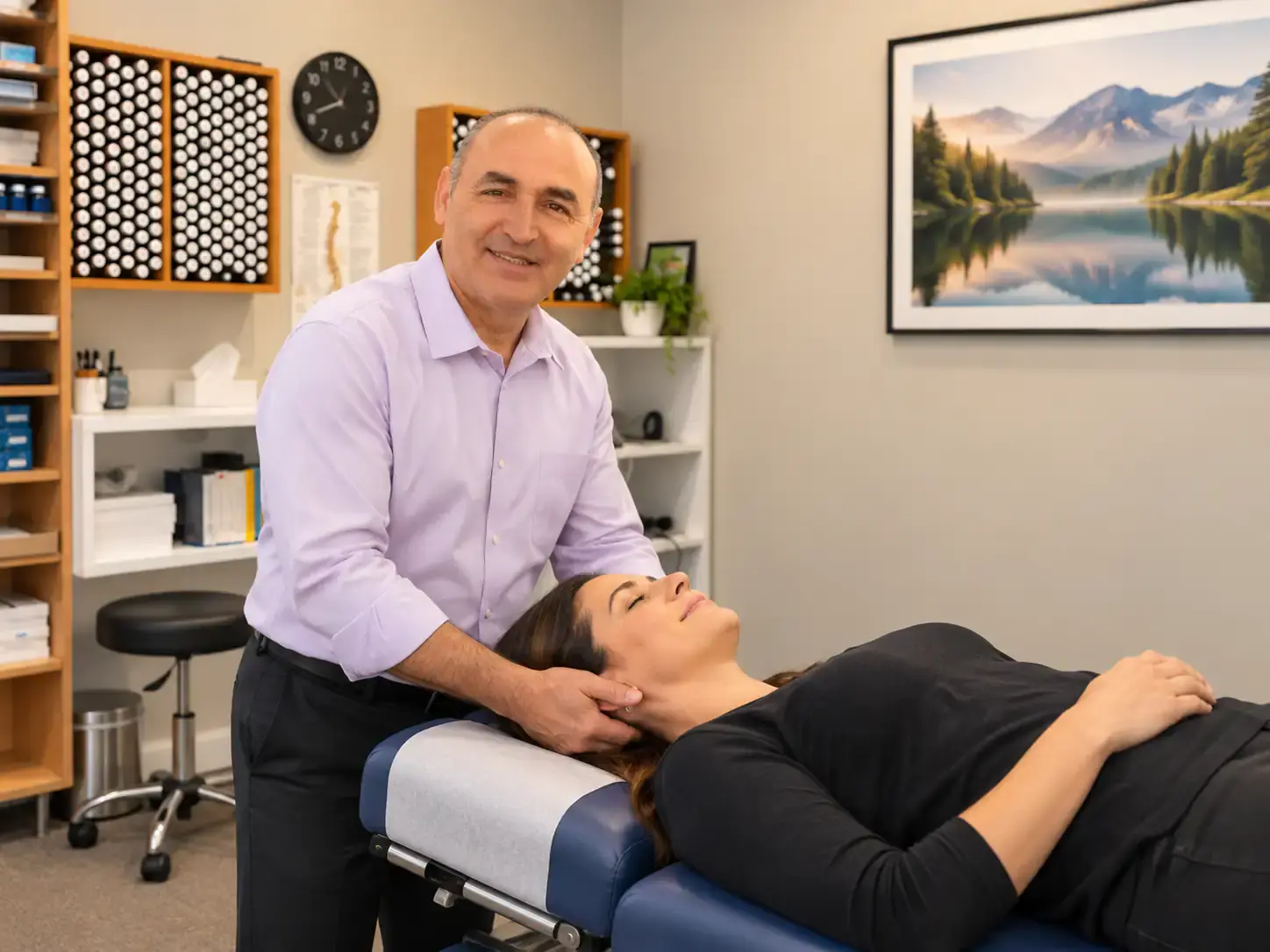
Chiropractic care is hands-on treatment for the joints, muscles and nerves of the spine and limbs. A chiropractic adjustment is a specific, controlled movement applied to a joint that isn’t moving well, to restore motion and reduce the irritation it causes to surrounding muscles and nerves.
At The Chiropractic Way, adjustments are one tool, not the whole plan. Dr. Tako’s evaluation looks at how your body works as a system — joints, muscles, movement patterns and the nervous system — so the adjustment goes where it’s actually needed and you understand why the problem started.
Techniques we use
Different bodies and problems call for different techniques. Dr. Tako is trained in several, and chooses based on your evaluation and your comfort:
- Gonstead adjustment. A precise, hands-on method that uses careful analysis to locate and correct specific spinal segments, with exact positioning for an accurate, comfortable adjustment.
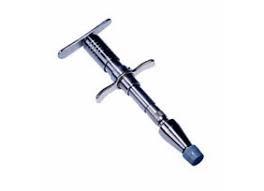
- Activator method. A handheld instrument delivers a quick, light impulse to a restricted joint. Useful for patients who prefer low-force care.
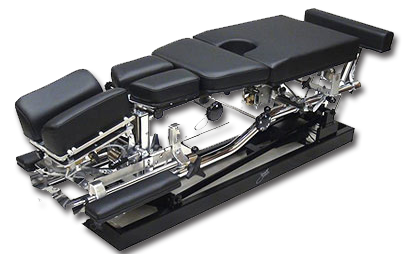
- Flexion-distraction. A specialized table gently flexes and stretches the spine to take pressure off irritated discs. Often used for disc-related back and leg pain.
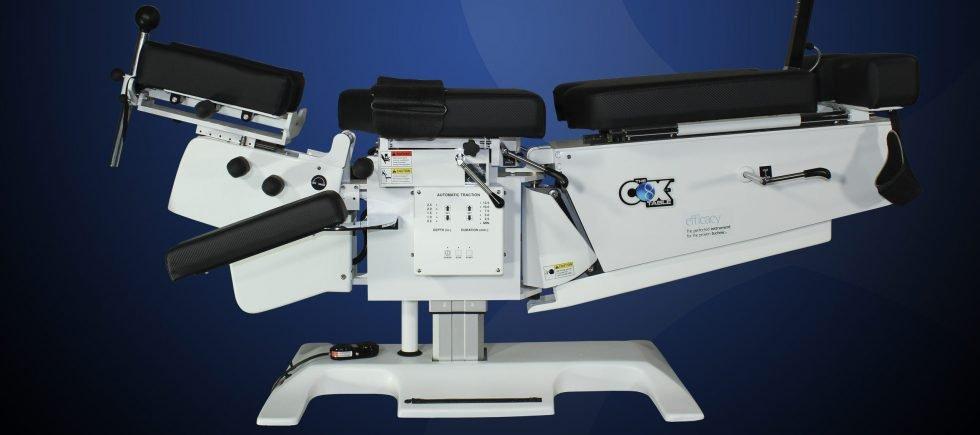
- Decompression (Cox table). Gentle spinal traction and motion for patients who can’t be adjusted traditionally, including some with disc herniation, degenerative discs or spinal stenosis.
- Drop table. Sections of the table drop a short distance during the adjustment, allowing a gentler thrust.
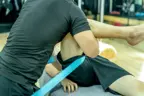
- Extremity adjustments. Shoulders, elbows, wrists, hips, knees, ankles and feet. Problems in the limbs often feed back into the spine, and the reverse.
- Technica Gavilán instrument work. Specialized instruments used to find and release soft-tissue restrictions in muscles and fascia.
What a visit is like
Your first visit starts with a conversation about your history, your activities and your goals, followed by an evaluation of how you move, joint and muscle testing, and neurological testing. Dr. Tako then explains what he found and what he recommends before any treatment begins.
Follow-up visits focus on treatment and on checking progress. You’ll stay fully clothed; wear something comfortable you can move in. Many patients notice a change in movement or pain right after an adjustment, but lasting improvement usually comes from a short series of visits that address the cause.
How it fits with P-DTR and shockwave
Adjustments restore movement in joints. But sometimes the nervous system keeps protecting an old injury — holding muscles tight or switching them off — and the joint keeps getting pulled back out of balance. That’s where Dr. Tako adds P-DTR, a functional neurology method that finds and resets those protective patterns.
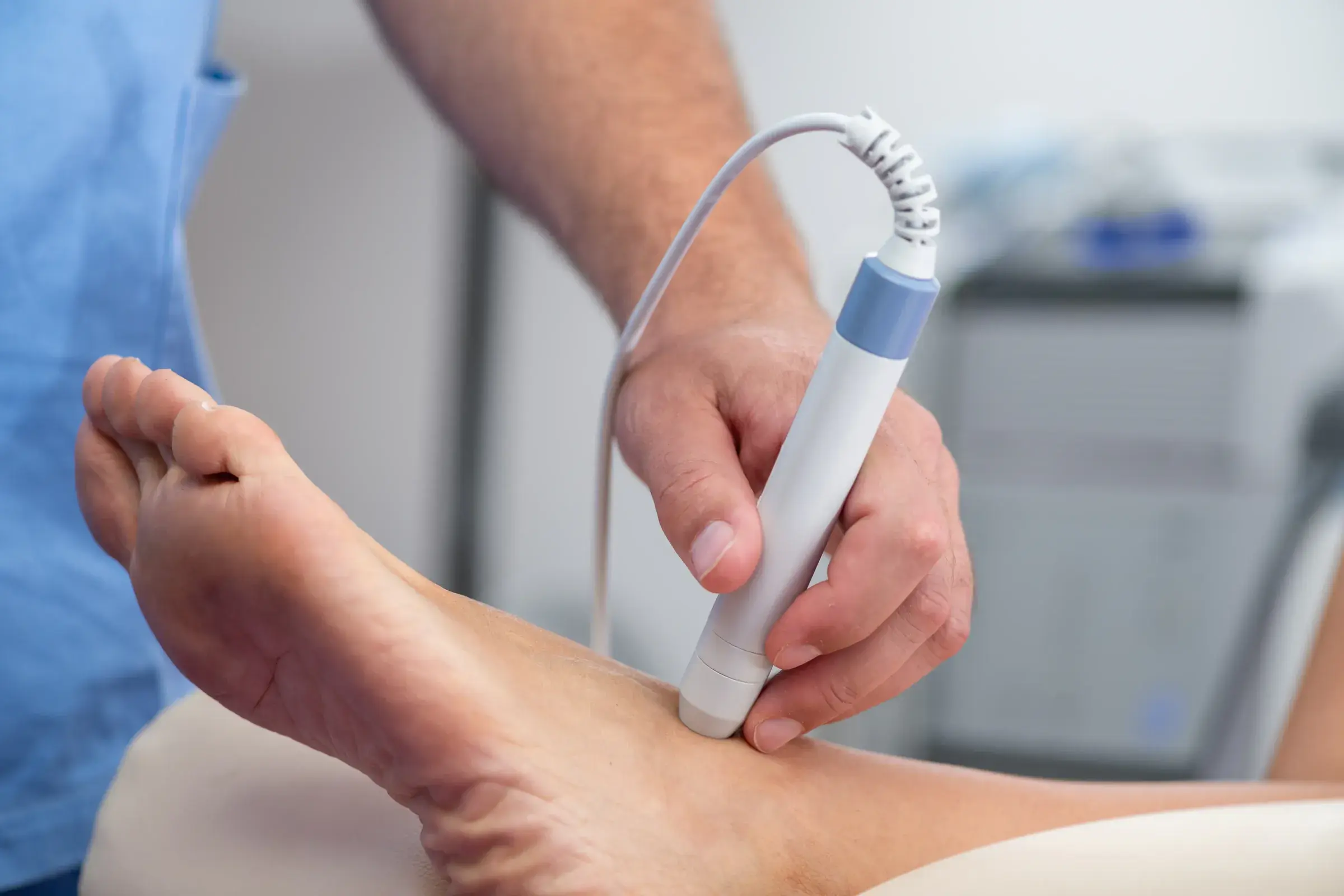
For stubborn tendon and soft-tissue problems, such as plantar fasciitis or tennis elbow, EPAT® shockwave therapy can be added to support tissue healing. The combination depends on what your evaluation shows; many patients only need adjustments.
Who chiropractic care is for
Patients come in with back and neck pain, sciatica, headaches, jaw pain, sports injuries and pain after car accidents — and also to stay moving well. Athletes use it to recover and to keep small problems from turning into injuries. Desk workers use it for the stiffness of long hours at a screen.
If your symptoms point to something chiropractic care can’t help — a fracture, an infection, a nerve problem that needs a specialist — Dr. Tako will tell you and refer you.
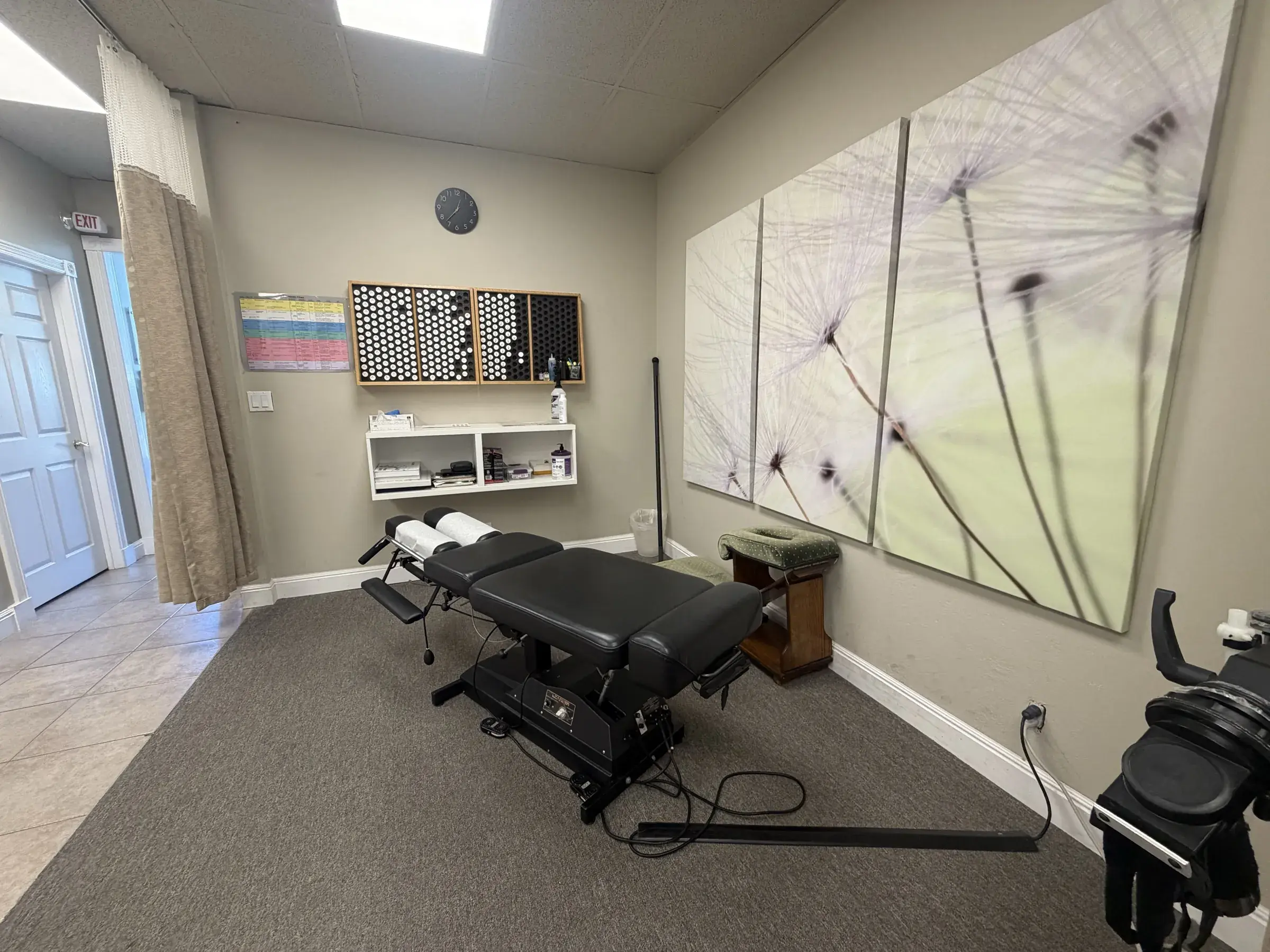
Equipment we use
Cost & insurance
Prepaid multi-visit discounts are available. We're a cash-based practice and don't bill insurance directly. On request, we provide a superbill (a detailed invoice with procedure and diagnosis codes) you can submit to your insurance for possible reimbursement. HSA and FSA cards are accepted, along with all major payment methods. See the New Patients page for what the first visit includes.
Side effects & who shouldn't have it
Mild soreness for a day or so after an adjustment is common. Chiropractic adjustments aren't appropriate for everyone. Tell Dr. Tako about osteoporosis, blood thinners, recent fractures or surgery, inflammatory arthritis, or any history of stroke or blood vessel problems in the neck — he'll choose gentler methods or refer you if needed.
Results vary. This page is educational and not a substitute for medical advice.