 Medically reviewed by Dr. Meir Tako, DC, CCSP · Updated
EPAT® (Extracorporeal Pulse Activation Technology), also called shockwave therapy or ESWT, sends acoustic pressure waves into injured tissue to stimulate blood flow and the body's repair process. It's used for chronic tendon and soft-tissue pain such as plantar fasciitis, Achilles tendinopathy and tennis elbow. Most people need 3–5 weekly sessions of 10–20 minutes.
What is EPAT® shockwave therapy?
EPAT® stands for Extracorporeal Pulse Activation Technology. “Extracorporeal” means it works from outside the body: an applicator placed on your skin sends acoustic pressure waves into the injured tissue underneath. You’ll also see it called extracorporeal shockwave therapy (ESWT), acoustic wave therapy or simply shockwave therapy.
It’s a non-invasive option for tendon and soft-tissue problems that haven’t healed on their own — the kind of pain that’s still there months later despite rest, stretching, insoles or physical therapy.
How it works
Chronic tendon pain usually isn’t a fresh inflammation anymore. The tissue has changed: the repair process has stalled, blood flow to the area is poor, and the tendon can’t handle load the way it used to.
Shockwave therapy is thought to restart that repair process. The pressure waves increase local blood flow, stimulate the cells that rebuild tendon and connective tissue, and can reduce the sensitivity of pain-signaling nerves in the area. Research suggests it can reduce pain and improve function in many chronic cases of plantar fasciitis and tendinopathy, especially when other conservative care hasn’t worked.
What a session is like
- Assessment. Dr. Tako confirms shockwave is appropriate for you and locates the exact area to treat, often by pressing to find the most tender spot.
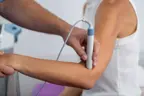
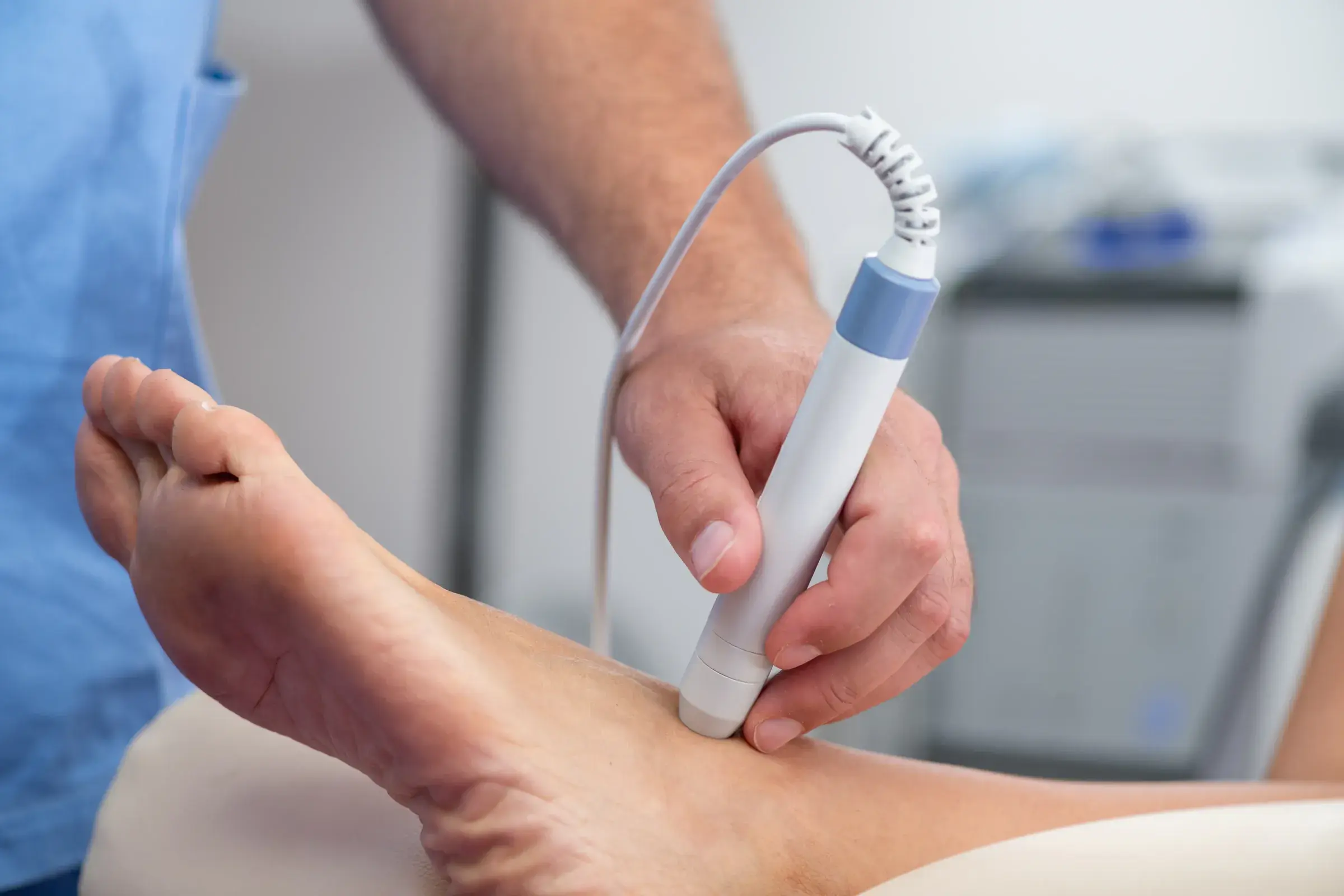
- Treatment. A coupling gel is applied, and the applicator is moved over the area for about 10 to 20 minutes, depending on what’s being treated. You’ll feel a firm, rapid tapping. The intensity is adjusted to your comfort.
- Afterward. You walk out and go about your day. Some soreness or redness for 24–48 hours is normal. Most people keep working and training, with some changes to load for the treated area.
A typical course is 3 to 5 sessions, one week apart. More chronic conditions may need more.
What it’s used for
Shockwave is most useful for chronic tendon and soft-tissue pain:
- Plantar fasciitis and heel pain, including heel spurs
- Achilles tendinopathy in runners and jumpers
- Tennis elbow and golfer’s elbow
- Shoulder tendon pain (rotator cuff), including some calcific tendinitis
- Patellar tendon pain (“jumper’s knee”) and outer-hip (gluteal) tendon pain
- Stubborn trigger points and muscle pain
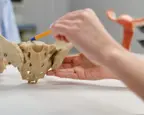
- Pelvic floor care, as part of Dr. Tako’s pelvic floor protocol
Why we combine it with chiropractic and P-DTR
Shockwave treats the tissue. It doesn’t explain why that tissue got overloaded in the first place.
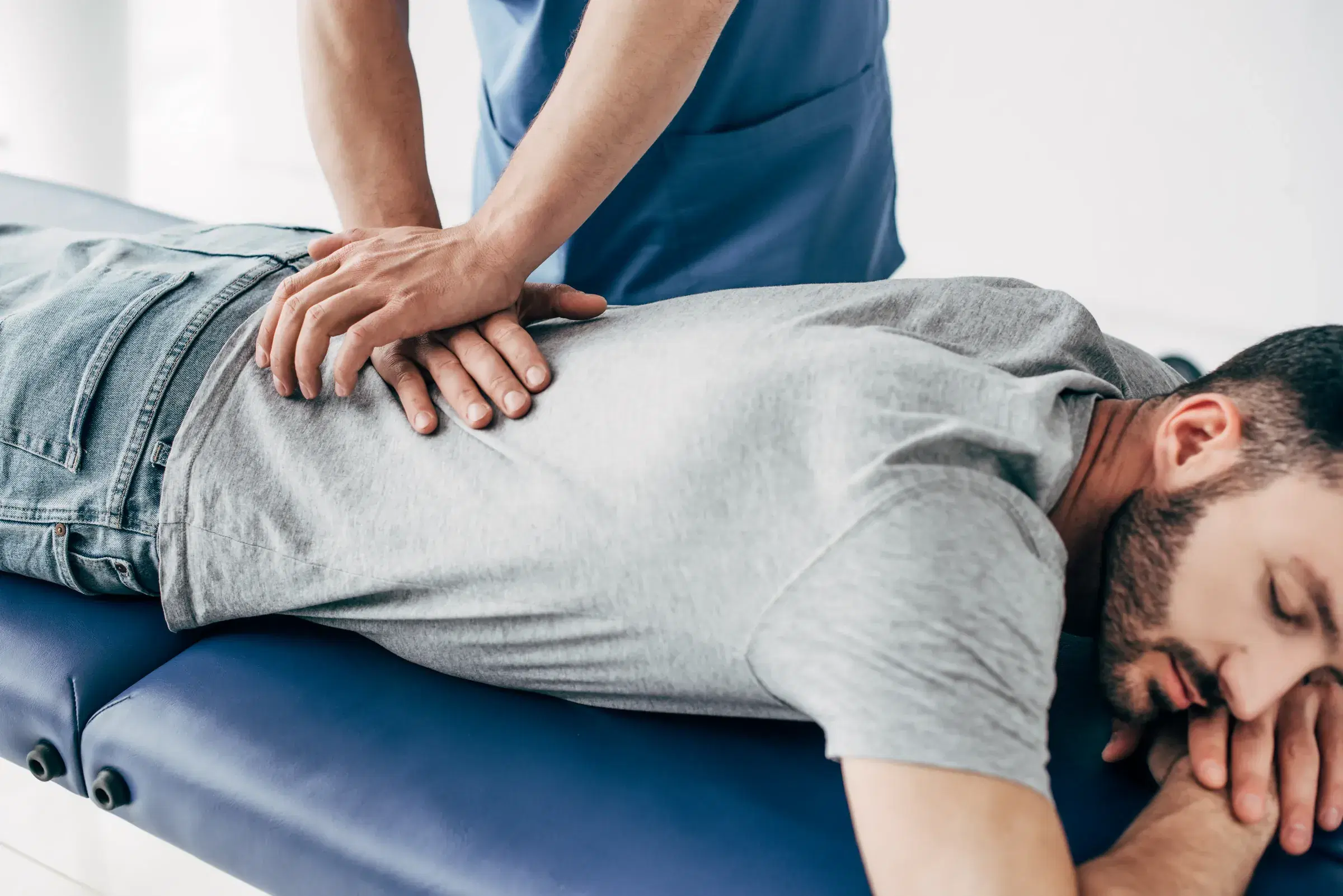
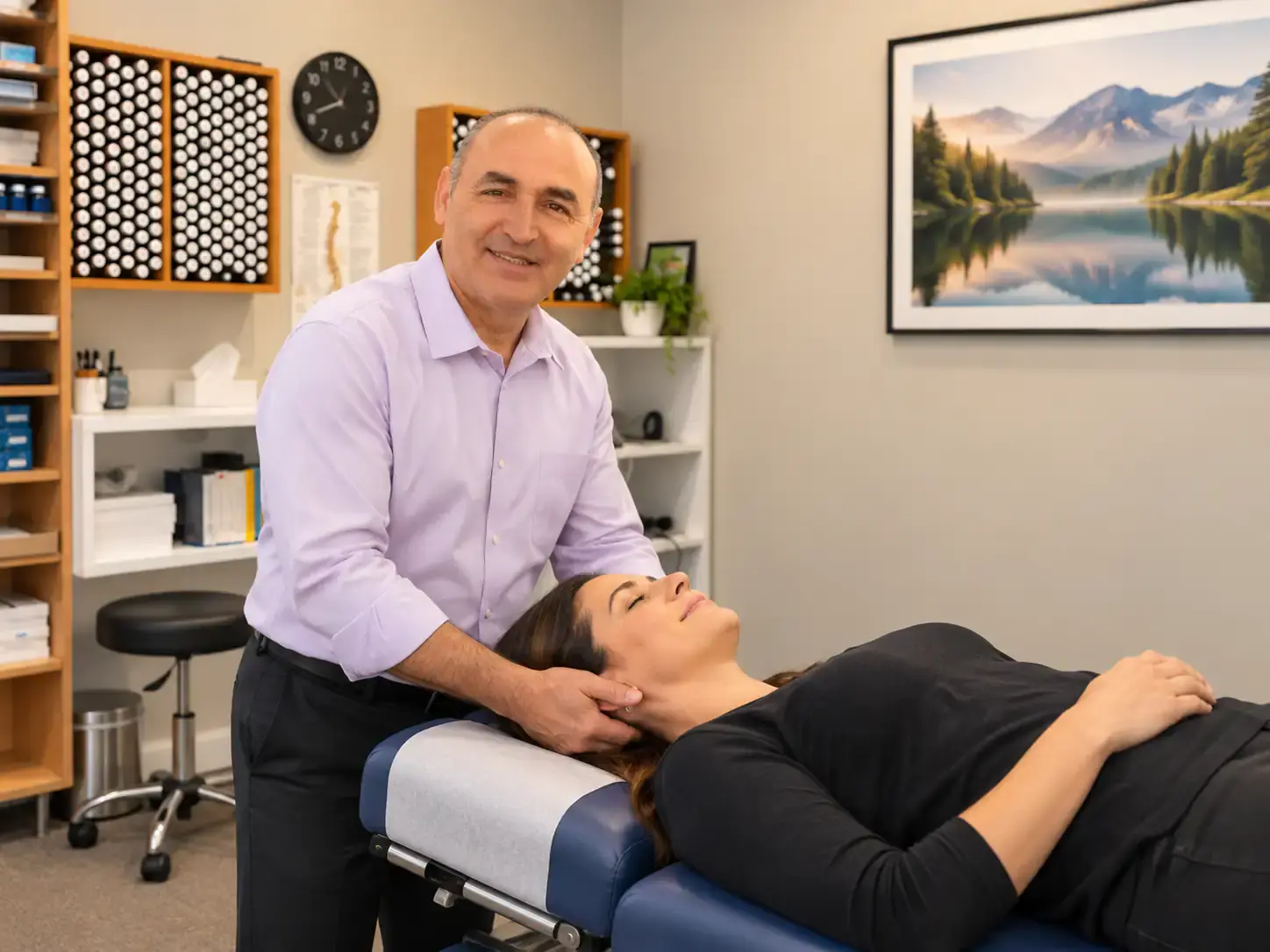
A runner’s Achilles might be overloaded because a stiff ankle or a weak hip changes how the foot strikes the ground. A tennis player’s elbow might be paying for a shoulder that doesn’t rotate well. Dr. Tako’s evaluation looks for that cause. Chiropractic adjustments restore how the joints move, and P-DTR resets the protective nerve signals that keep muscles from doing their job. Treating the cause along with the tissue gives the tendon its best chance to heal — and to stay healed when you go back to your sport.
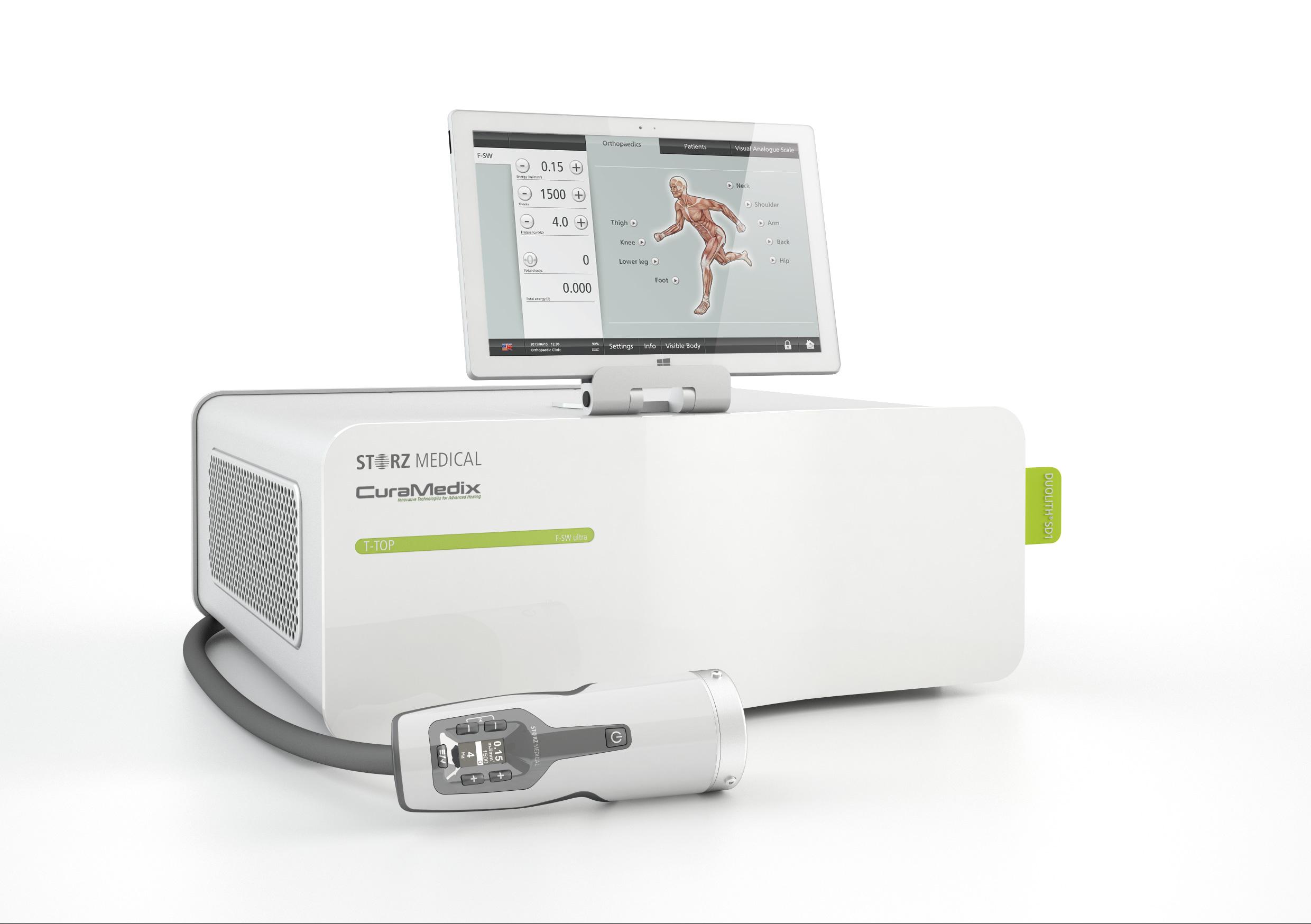
Equipment we use
Cost & insurance
Shockwave is usually not covered by insurance: many insurers class it as investigational, and when they do cover it, it is mostly for chronic plantar fasciitis. We can give you a superbill, and some patients have been partly reimbursed, but we can't guarantee coverage. HSA and FSA funds can generally be used. We'll confirm the cost before your first session.
Side effects & who shouldn't have it
Temporary redness, tenderness, swelling or bruising for a day or two is common. Shockwave therapy is not used during pregnancy, over areas with a blood clot (DVT) or a malignancy, in people taking oral steroids, within two weeks of a steroid injection, or over open wounds or active infection. Tell Dr. Tako about blood thinners, bleeding disorders, a pacemaker or nerve problems in the area before treatment.
Results vary. This page is educational and not a substitute for medical advice.