 Medically reviewed by Dr. Meir Tako, DC, CCSP · Updated
Back pain is pain or stiffness anywhere along the spine, most often in the lower back. Chiropractic care can help when the cause is a joint, disc or muscle problem in the spine or pelvis. The first step is an evaluation to find where the pain is really coming from, including the hips and any old injuries.
What is back pain?
Back pain is one of the most common reasons people see a doctor or chiropractor. It can be a dull ache across the lower back, a sharp catch when you bend, stiffness first thing in the morning, or pain that builds through a long day of sitting.
Most back pain is mechanical. That means it comes from how the joints, discs, muscles and ligaments of the spine are moving and handling load, not from a serious disease. That’s good news, because mechanical problems usually respond to the right care.
The catch is that the place that hurts isn’t always the place where the problem started. A stiff hip, a weak glute or an old ankle injury can leave the lower back doing work it was never meant to do. Treating only the sore spot can bring short-term relief, then the same pain returns a few weeks later.
Common symptoms
- A dull ache or tightness in the lower back, sometimes spreading into the buttocks
- Sharp pain with bending, lifting, twisting or getting up from a chair
- Stiffness in the morning or after sitting, which eases once you get moving
- Muscle spasm that makes it hard to stand up straight
- Pain on one side, or pain that shifts sides from day to day
- Pain, tingling or numbness that travels into a leg (see sciatica)
Back pain that keeps returning, even after it seemed to settle, is a sign that the underlying cause hasn’t been addressed.
What causes it?
The most common causes of back pain include:
- Joint restrictions in the spine or pelvis. When joints in the lower back or the sacroiliac (SI) joints stop moving well, nearby muscles tighten to protect them and the area becomes painful.
- Disc problems. A bulging or herniated disc can cause local back pain, and sometimes leg pain if it irritates a nerve root.
- Muscle strain from lifting or sudden movement. Picking up a child, a heavy box or a barbell with poor timing can strain the muscles and ligaments of the lower back.
- Long hours of sitting. Desk work and commuting keep the hips flexed and the lower back loaded in one position for hours, which can leave the spine stiff and the glutes underused.
- Old injuries and compensations. A sprained ankle, a knee surgery or a fall years ago can change how you walk and stand. The body compensates, and over time the extra load lands on the lower back.
- Protective muscle patterns. After an injury, the nervous system can keep certain muscles switched “off” or held tight long after the tissue has healed, which keeps the back guarded and sore.
How Dr. Tako finds the source
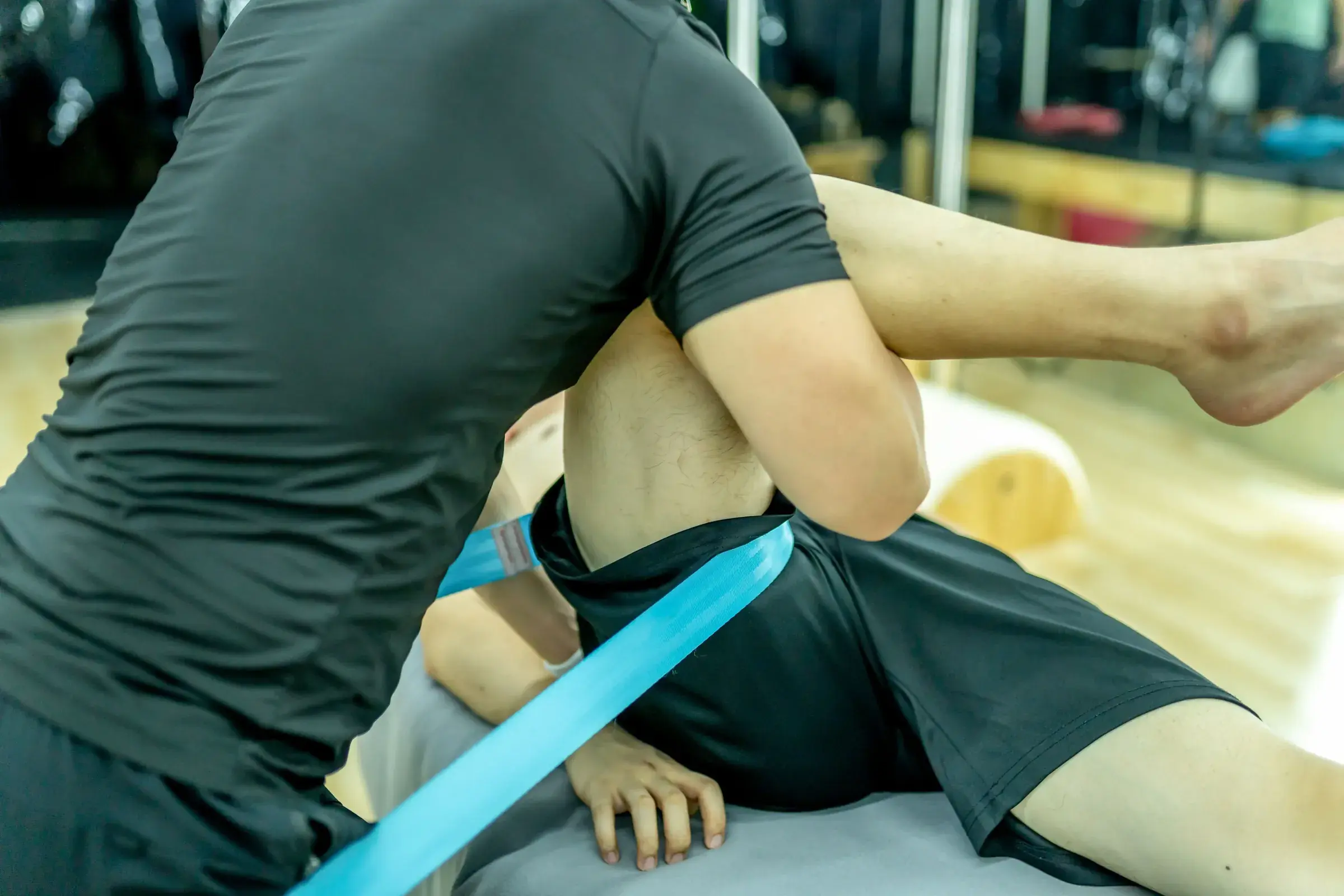
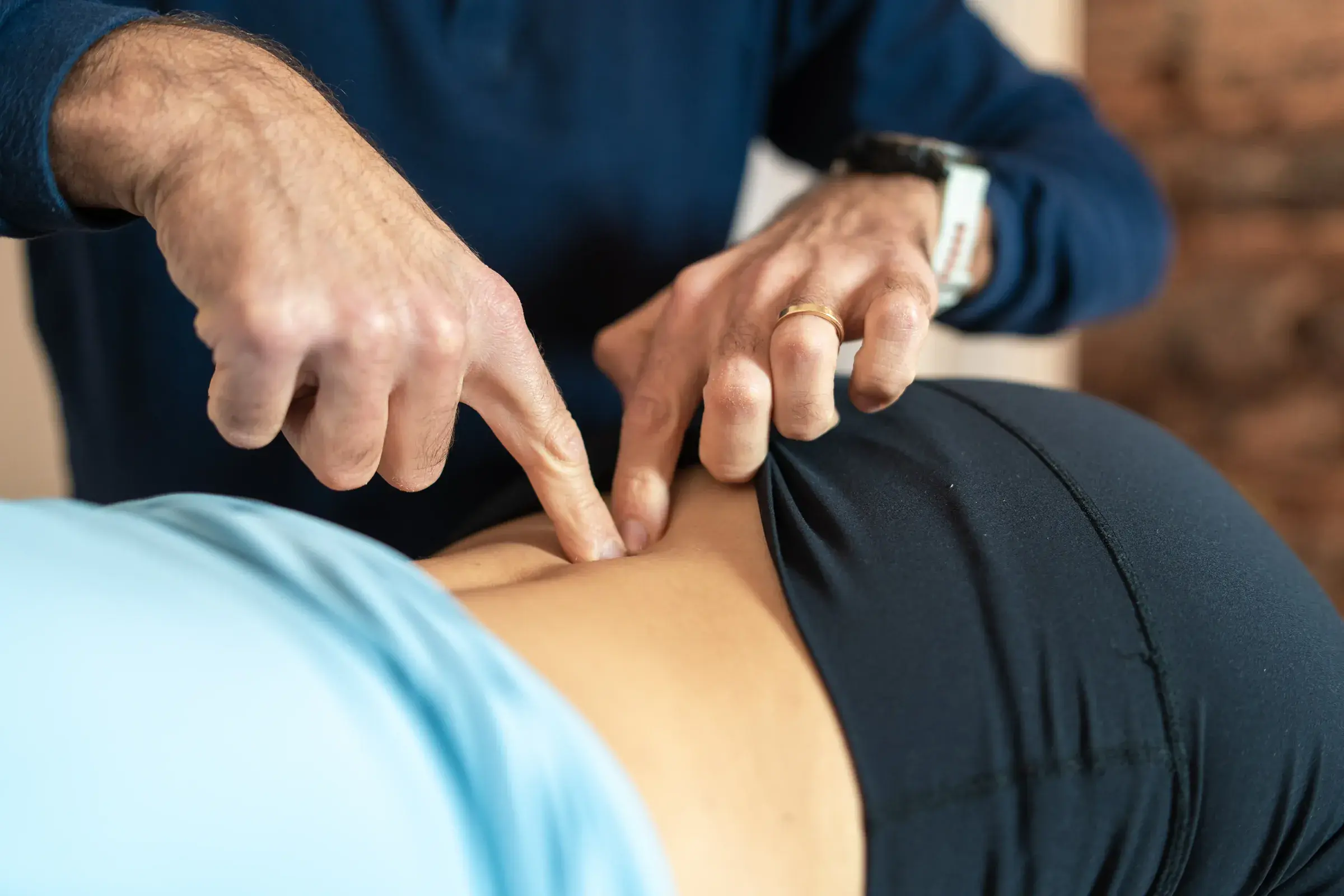
Dr. Tako’s evaluation looks at how your spine, pelvis, hips and nervous system work together, not only at the spot that hurts.
Consider a common example. A patient has low back pain on the right side that flares every time they run. The lower back is tender, but the exam shows the left ankle barely flexes. It’s the leftover of a sprain from years ago. To protect that ankle, the patient shortens their stride and shifts weight to the right, and the right side of the lower back absorbs the difference. Adjusting the back helps for a day or two. Restoring how the ankle and hip work is what changes the pattern.
The evaluation typically includes your history (including old injuries, surgeries and accidents), how you move, joint testing and muscle strength testing. Dr. Tako also uses P-DTR, a functional neurology method that uses muscle testing and stimulation of specific sensory receptors to find protective patterns in the nervous system. These patterns can keep the back guarded even after the original injury has settled.
Treatment is matched to what he finds. It may include chiropractic adjustments using Gonstead, Activator, drop table or flexion-distraction techniques; Cox decompression for disc-related pain; extremity adjustments for the hips, knees or feet; and soft tissue work.
The goal is a clear answer to three questions: what is causing your back pain, why it started, and what will keep it from coming back.
Back pain from desk work, lifting and active lifestyles
Back pain shows up differently depending on how you spend your day.
If you sit for most of it, the pattern is usually stiffness that builds through the afternoon, tight hip flexors and glutes that stop doing their share. Part of your plan will cover how you sit, how often you move, and a few simple exercises that fit into a workday.
If you lift, whether that’s in the gym, on the job or carrying young children, back pain often comes from how load moves through the hips and spine. Dr. Tako looks at how you hinge, squat and carry, not just how your back feels on the table.
For runners and athletes, back pain is often tied to hip mobility, training load or an old lower-body injury. Part of the plan is a safe return to activity: what to keep doing, what to pause, and how to build back without the pain returning. Many active patients are able to keep some form of training during care.
When to seek urgent care instead
Loss of bladder or bowel control, numbness in the groin or inner thighs, or leg weakness that is getting worse quickly need emergency care right away. See a medical doctor first if your back pain follows a fall or accident, comes with fever, unexplained weight loss or a history of cancer, wakes you at night and doesn't ease with any position, or comes with pain in the abdomen or chest.
"I never believed in chiropractic services, but he has completely erased that falsehood. My neck and back were problematic for years, but he has fixed them and reversed years of spinal and hip misalignment."
— Jim G., Google review
This page is for education and isn't a substitute for a medical diagnosis. Individual results vary.