
 Medically reviewed by Dr. Meir Tako, DC, CCSP · Updated
After a car accident, symptoms like neck pain, stiffness and headaches often appear hours or days later. Chiropractic care can help with whiplash and other soft-tissue injuries once serious injuries have been ruled out. Get a medical evaluation first after any significant collision, then book an evaluation so your injuries are found and documented.
What are car accident injuries?
A car accident puts sudden forces through your body in a fraction of a second. Even at low speeds, your head and neck can whip forward and back faster than your muscles can react. Your seatbelt, steering wheel and seat all load your chest, shoulders, lower back and pelvis in ways they don’t normally move.
The most common result is whiplash, a strain of the muscles, ligaments and joints of the neck. But accident injuries rarely stay in one place. Mid-back pain, low back pain, shoulder pain and headaches often appear alongside it.
One of the most confusing parts of an accident injury is the delay. Many people feel shaken but fine at the scene, then wake up stiff and sore a day or two later. That’s common, and it’s why getting checked after a collision matters even when you think you walked away unhurt.
Common symptoms
- Neck pain and stiffness, especially when turning your head
- Headaches, often starting at the base of the skull
- Shoulder, upper-back or mid-back pain
- Low back or hip pain, sometimes from the seatbelt or bracing on the pedals
- Tingling or numbness in the arms or hands
- Dizziness, trouble concentrating or poor sleep
- Jaw pain or clicking
Symptoms can appear hours or days after the crash. If they get worse or new ones appear, get rechecked.
What causes it?
Common reasons accident injuries happen, and linger, include:
- Rapid acceleration and deceleration. The whipping motion of the head strains the muscles, ligaments and small joints of the neck.
- Seatbelt and bracing forces. The belt loads one shoulder and the chest, and bracing against the wheel or pedals strains the arms, lower back and hips.
- Muscle guarding. After an injury, the nervous system tightens muscles to protect the area. That protection can persist long after the tissue has started to heal.
- Joint restrictions. Spinal joints that were jolted can stiffen, changing how your neck and back move.
- Old injuries and compensations. A previous neck strain, an old shoulder injury or a sports injury can flare up after a crash, because your body was already compensating around it.
How Dr. Tako finds the source
Accident pain doesn’t always come from the spot that hurts most. A neck that won’t settle, for example, may keep getting irritated by a mid-back or rib that was jammed by the seatbelt, or by an old shoulder injury the crash stirred up.
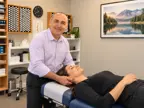
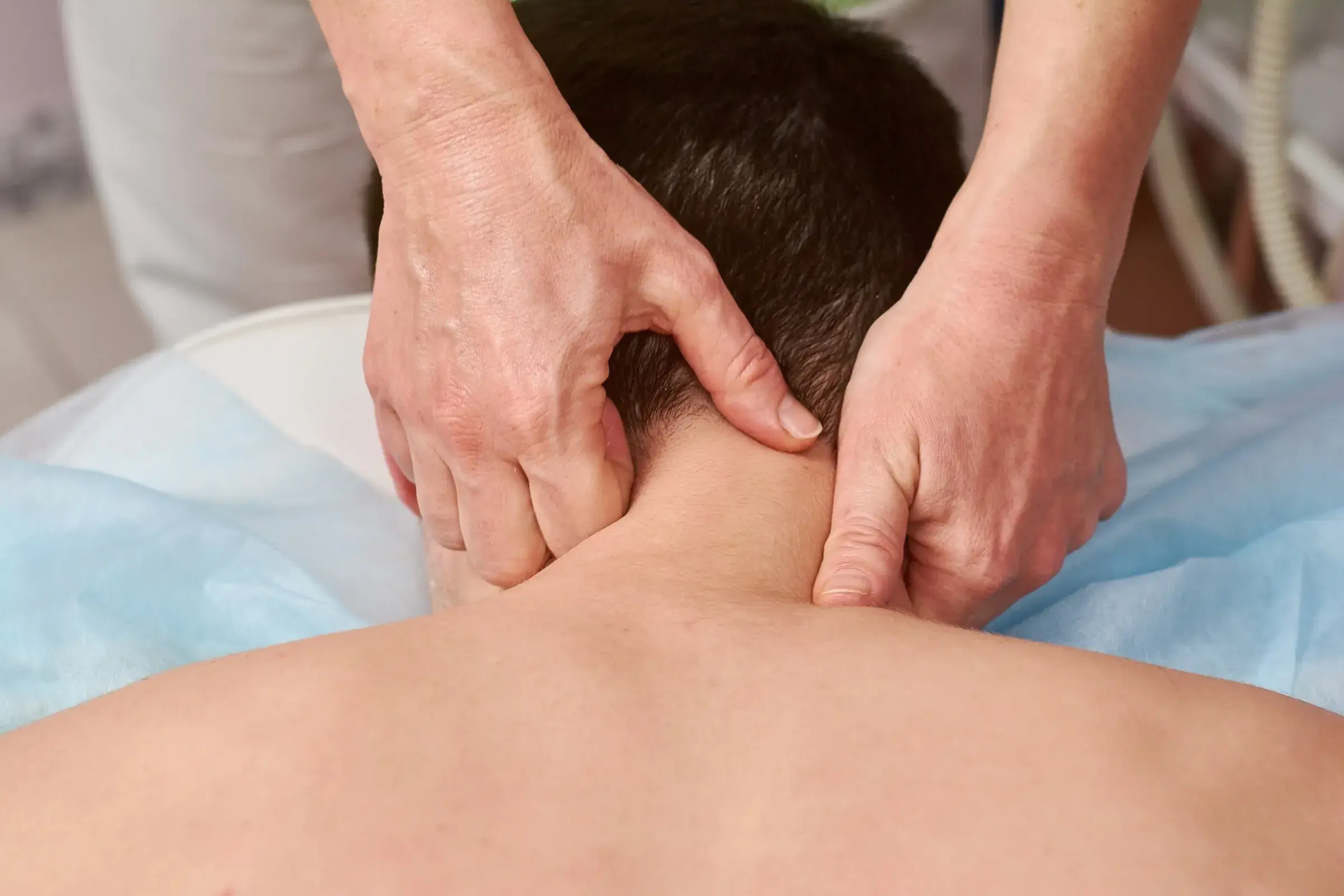
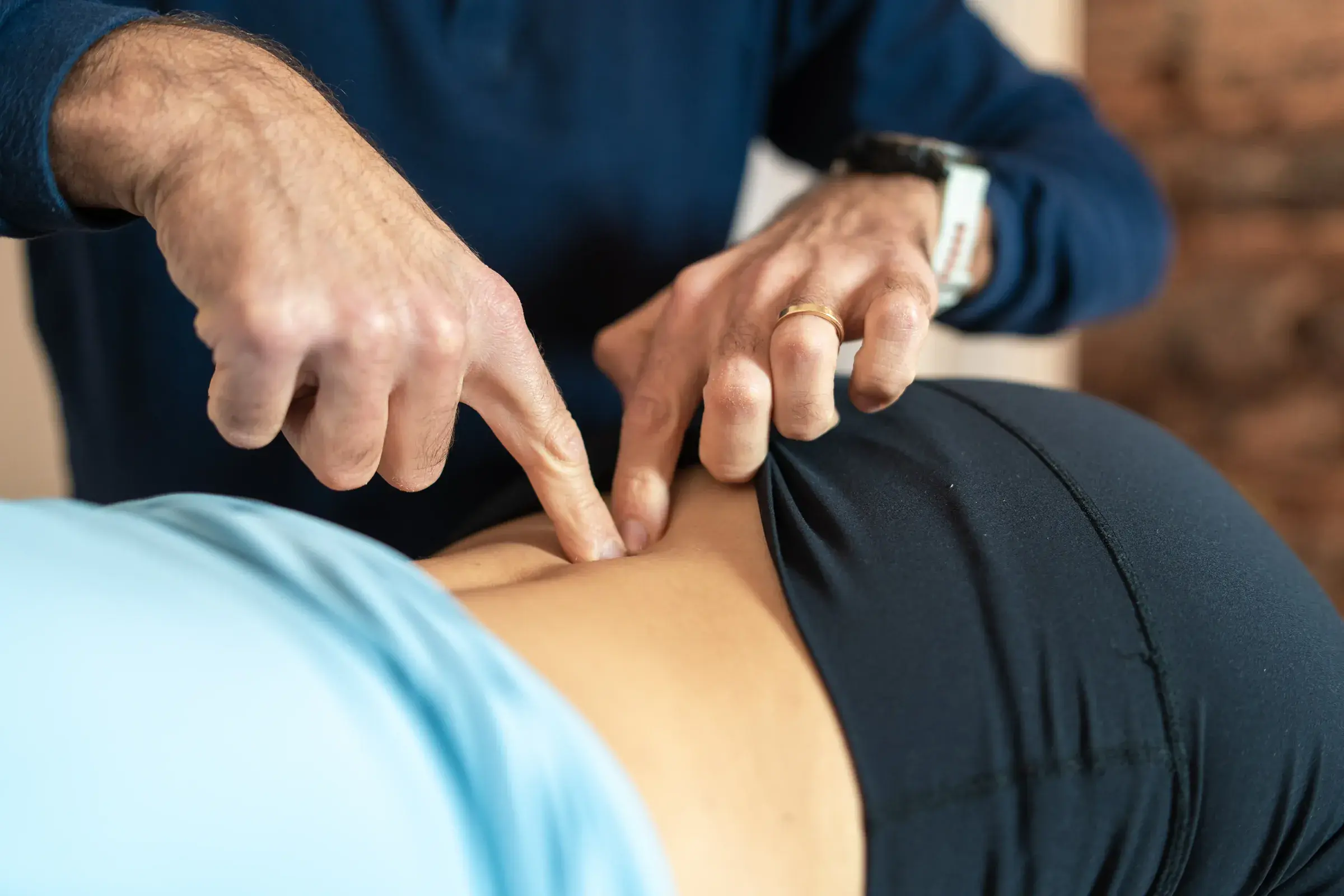
Dr. Tako’s evaluation starts with the accident itself: where you were sitting, the direction of impact, whether you were braced, and what symptoms appeared when. He reviews any emergency or imaging reports, then checks your posture, joint movement, muscle strength and nerve function.
He also uses P-DTR, a functional neurology method that combines gentle muscle resistance tests with stimulation of sensory receptors. It finds and resets nerve-receptor imbalances affecting muscles, ligaments and soft tissue, such as the protective guarding that can keep pain going after a crash. It’s non-invasive and painless. Gentle adjustments are added where they help.
Every finding, treatment and change in your symptoms is documented, which matters if you’re filing an insurance or personal injury claim.
A crash can jolt the head as well as the neck, so Dr. Tako also asks about concussion-related symptoms, such as headaches, dizziness, trouble concentrating, sensitivity to light or poor sleep. When they’re present, he makes sure you’ve had an appropriate medical evaluation and plans your care around it.
The evaluation answers three questions: what was injured, what is keeping the pain going, and what you need to recover. If anything suggests a concussion, fracture or nerve injury that needs imaging or a medical specialist, Dr. Tako will refer you.
Insurance, MedPay and injury claims
- Auto insurance and MedPay. We work with auto insurance and MedPay billing. Coverage depends on your policy, so call the office before your visit to confirm.
- Personal injury cases. We accept selected personal injury cases, mainly existing patients who have been in an accident and new patients who meet our intake requirements. Not every case or attorney referral is accepted.
- If you need an attorney. We can share information about attorneys we’re comfortable working with.
- Records for your claim. Your evaluation, treatment and progress are documented, and we can provide clinical records or reports as needed.
Getting back to work, training and driving
Most people want to know when life can go back to normal. That depends on your injuries, but staying gently active usually helps more than complete rest.
Desk workers. Long hours at a screen can keep an injured neck irritated. Dr. Tako will suggest simple changes to your setup and how often to move.
Active people. Runners, lifters and team-sport athletes often want to keep training. Dr. Tako will help you decide what to keep, what to pause and how to build back without setting off your symptoms.
Driving. Turning to check blind spots can be painful at first. If you can’t turn your head comfortably, avoid driving until you can, and let Dr. Tako know so it’s part of your plan.
When to seek urgent care instead
After any significant collision, get evaluated at an emergency room or urgent care first. Call 911 for loss of consciousness, confusion, a severe or worsening headache, repeated vomiting, numbness or weakness in the arms or legs, loss of bladder or bowel control, chest or abdominal pain, trouble breathing, or severe pain directly over the spine. These can signal a concussion, fracture, internal injury or spinal cord injury.
This page is for education and isn't a substitute for a medical diagnosis. Individual results vary.