 Medically reviewed by Dr. Meir Tako, DC, CCSP · Updated
Plantar fasciitis is irritation of the thick band of tissue under your foot, causing heel pain that's often worst with the first steps of the day. Many cases improve with load changes and stretching. Stubborn cases may respond to EPAT shockwave combined with treating the foot, ankle and hip mechanics. The first step is an evaluation.
What is plantar fasciitis?
The plantar fascia is a thick band of connective tissue that runs along the sole of your foot, from the heel bone to the base of the toes. It supports the arch and acts like a spring, stretching as your foot lands and recoiling as you push off.
When that band is loaded more than it can handle, the area where it attaches to the heel becomes irritated and painful. Despite the name, long-standing plantar fasciitis usually involves less inflammation and more tissue breakdown and thickening, closer to a tendon problem than a swelling problem. That’s one reason anti-inflammatory approaches alone often stall, and why treatments that stimulate tissue repair, like shockwave, have become a common option for stubborn cases.
Common symptoms
- Sharp or stabbing pain at the bottom of the heel, usually toward the inside
- Pain that’s worst with the first steps in the morning or after sitting, then eases as you warm up
- Pain that returns after long periods of standing or walking, or late in the day
- Heel pain at the start of a run that fades, then returns afterward, sometimes worse
- Tenderness when you press on the front of the heel bone
- Tightness in the calf or arch
What causes it?
The most common causes of plantar fasciitis include:
- A sudden change in load. More running, a new job on your feet, a long trip with lots of walking, or switching to harder surfaces.
- Tight calves and stiff ankles. When the ankle can’t bend well, the plantar fascia takes extra strain with every step.
- Foot shape and footwear. Very flat or very high arches, worn-out shoes, or a quick change to minimal or very cushioned shoes can shift load to the fascia.
- Hip and knee control. When the hip doesn’t control the leg well, the foot often rolls in to compensate, loading the arch on every stride.
- Old injuries and compensations. An old ankle sprain, a knee injury or back pain can change how you walk. Over time, one foot ends up carrying more than its share.
Heel spurs are often found on X-rays of people with plantar fasciitis, but many people have spurs with no pain at all. The spur is usually a sign of long-term pull on the heel, not the cause of the pain.
How Dr. Tako finds the source
The heel is where it hurts, but it’s rarely where the problem began. Dr. Tako’s evaluation looks at how your feet, ankles, knees, hips and lower back work together, not only at the spot that hurts.
A common example: a runner with heel pain on the left who sprained that ankle years ago. The ankle lost some of its bend, so the foot flattens to make up for it, and the plantar fascia stretches harder on every stride. Treating the heel alone helps for a while; restoring ankle movement is what takes the strain off.
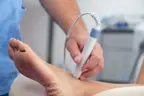
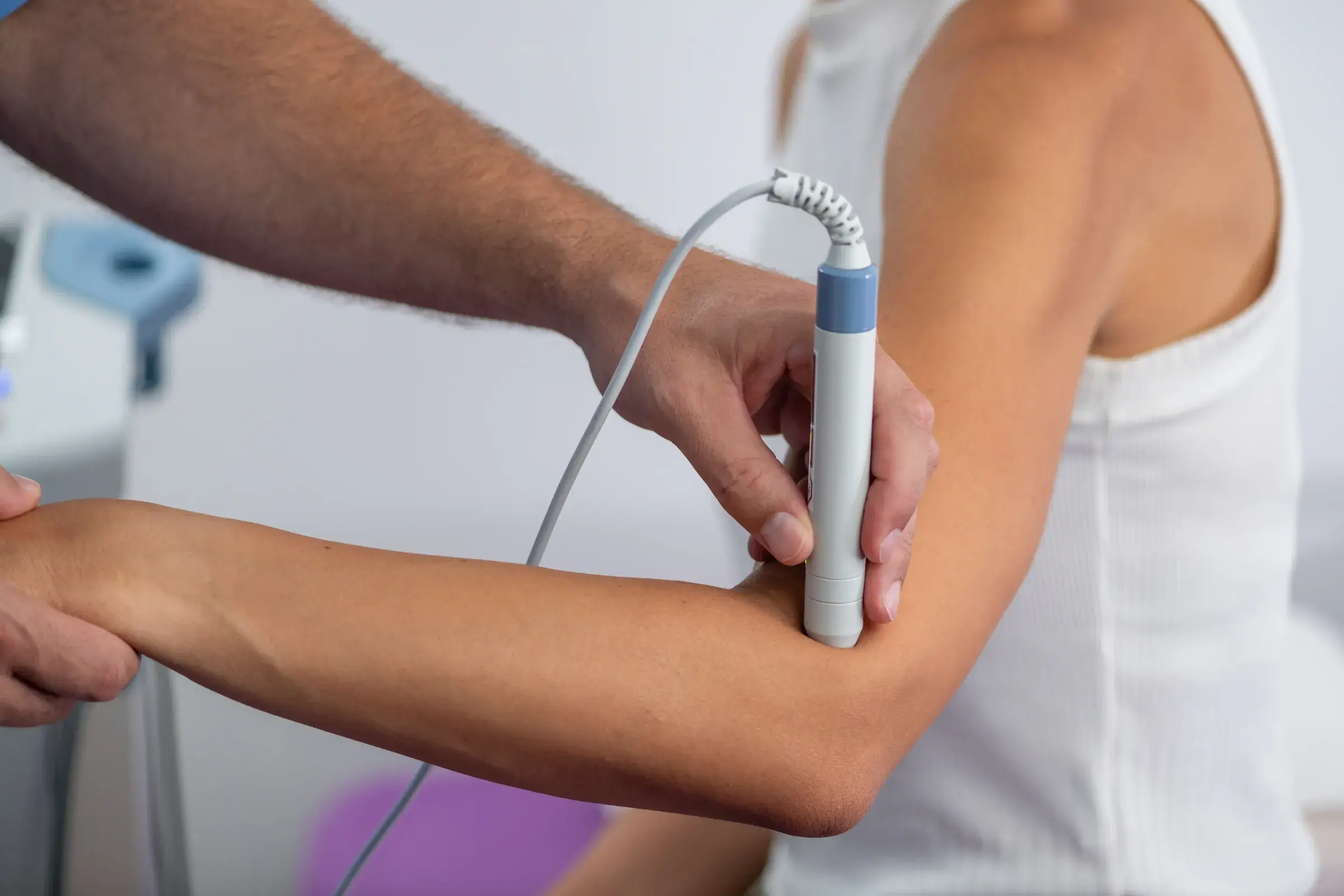
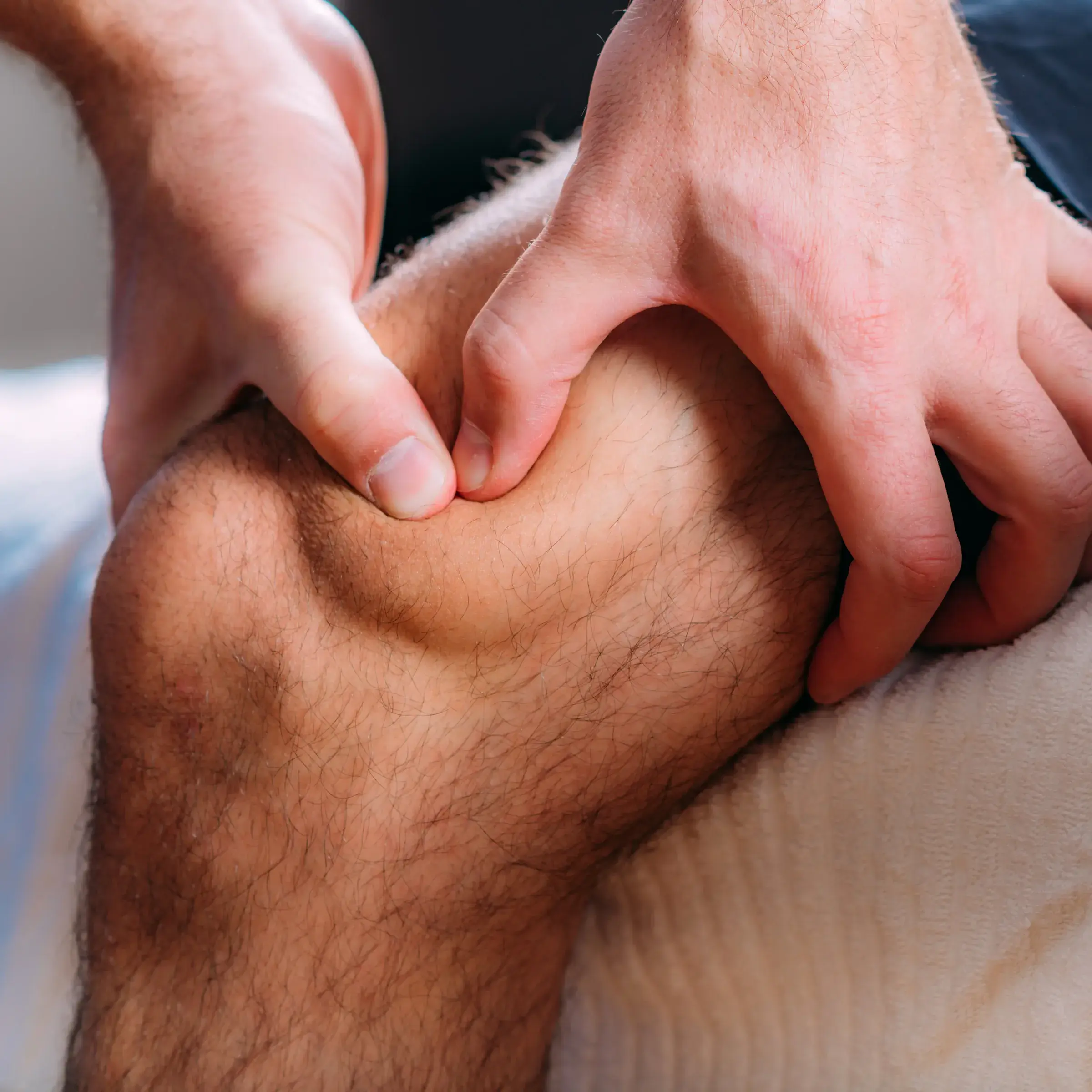
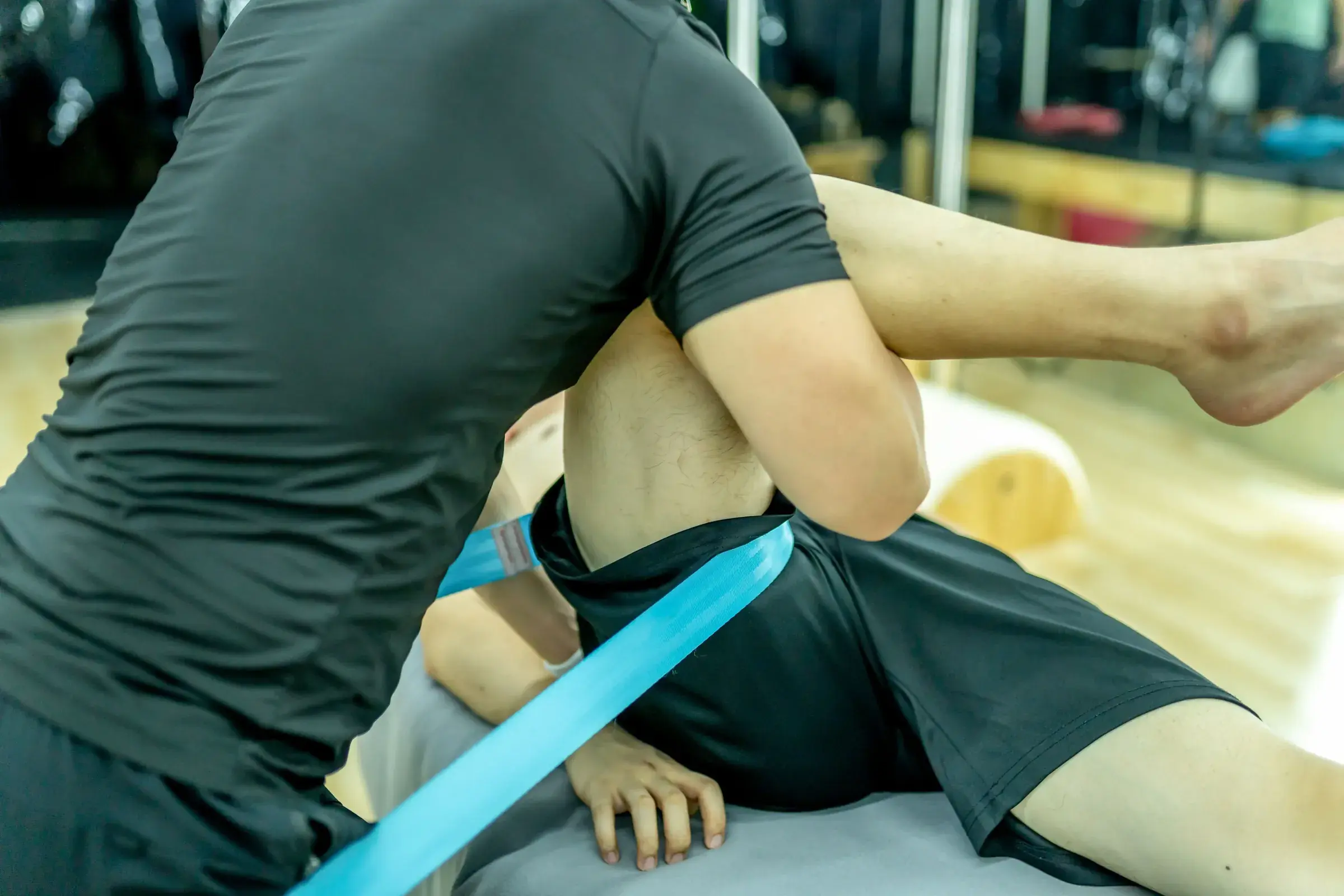
The evaluation typically includes your history (including old injuries), how you stand, walk and run, joint testing and muscle strength testing. Treatment usually combines EPAT shockwave for the heel with chiropractic care for the foot, ankle and the rest of the chain. EPAT delivers acoustic pressure waves into the irritated tissue, and research suggests it can reduce pain and improve function in chronic plantar fasciitis that hasn’t responded to simpler care.
The goal is a clear answer to three questions: what is overloading the plantar fascia, why it started, and what will keep it from coming back.
Plantar fasciitis in runners and people on their feet all day
For runners, plantar fasciitis usually follows a change: a mileage jump, a race block, more speed work, or new shoes. Dr. Tako has a background in competitive running himself and looks at how you actually run, not just how your foot looks on the table. Part of the plan is how much running to keep, what to pause and how to build back without the heel flaring up again.
For people who stand all day, like teachers, nurses, retail and lab workers, the load is constant rather than intense. Footwear, standing surfaces and calf and ankle mobility matter as much as treatment of the heel itself. Many patients keep working and walking normally through care, since shockwave has no downtime.
When to seek urgent care instead
See a medical doctor first if heel pain started with a fall or jump and you can't put weight on the foot, if the heel is hot, red and swollen or you have a fever, or if you have numbness, burning or tingling across the sole. People with diabetes and foot pain should have their feet checked by their doctor. Calf pain and swelling can signal a blood clot and needs urgent care.
This page is for education and isn't a substitute for a medical diagnosis. Individual results vary.