 Medically reviewed by Dr. Meir Tako, DC, CCSP · Updated
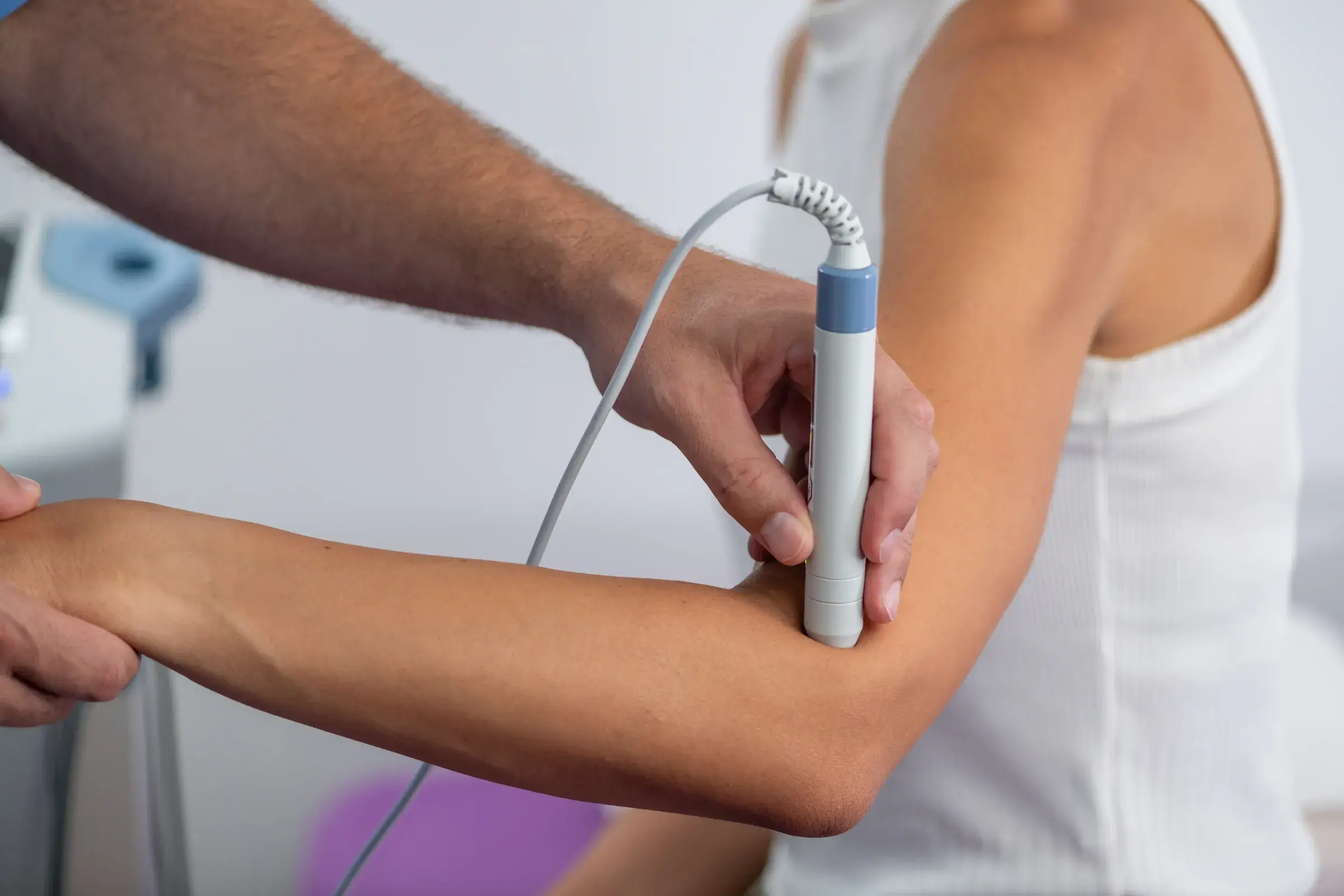
Tendinitis is pain and irritation in a tendon, the tissue that connects muscle to bone, usually from overuse. Most long-lasting tendon pain is better described as tendinopathy, where the tendon has weakened rather than inflamed. Shockwave and chiropractic care can help by stimulating repair and fixing the overload. Start with an evaluation.
What is tendinitis?
Tendons connect muscle to bone. Every time a muscle contracts, its tendon transfers that force to the joint. Tendons are strong but slow to adapt, so when the load on them rises faster than they can keep up, they start to hurt.
“Tendinitis” means an inflamed tendon. That fits a recent flare after a big jump in activity. But most tendon pain that has lasted more than a few weeks isn’t mainly inflammation. The tendon’s fibers become disorganized and the tendon gets weaker and more sensitive. The more accurate term is tendinopathy.
In plain English: a fresh tendinitis is an irritated tendon that needs calming down. A tendinopathy is a tendon that has lost some of its capacity and needs rebuilding. That’s why ice, anti-inflammatories and rest often help at first and then stop working. Rebuilding takes the right load, and for stubborn cases, a stimulus like shockwave that encourages repair.
Common symptoms
- Pain at a specific point on the tendon, often where it attaches to bone
- Pain and stiffness first thing in the morning or when you start moving, easing as you warm up
- Pain that returns after activity, often worse the next day
- Weakness or pain when you grip, push off, jump or lift your arm, depending on the tendon
- Tenderness or a thickened feel when you press on the tendon
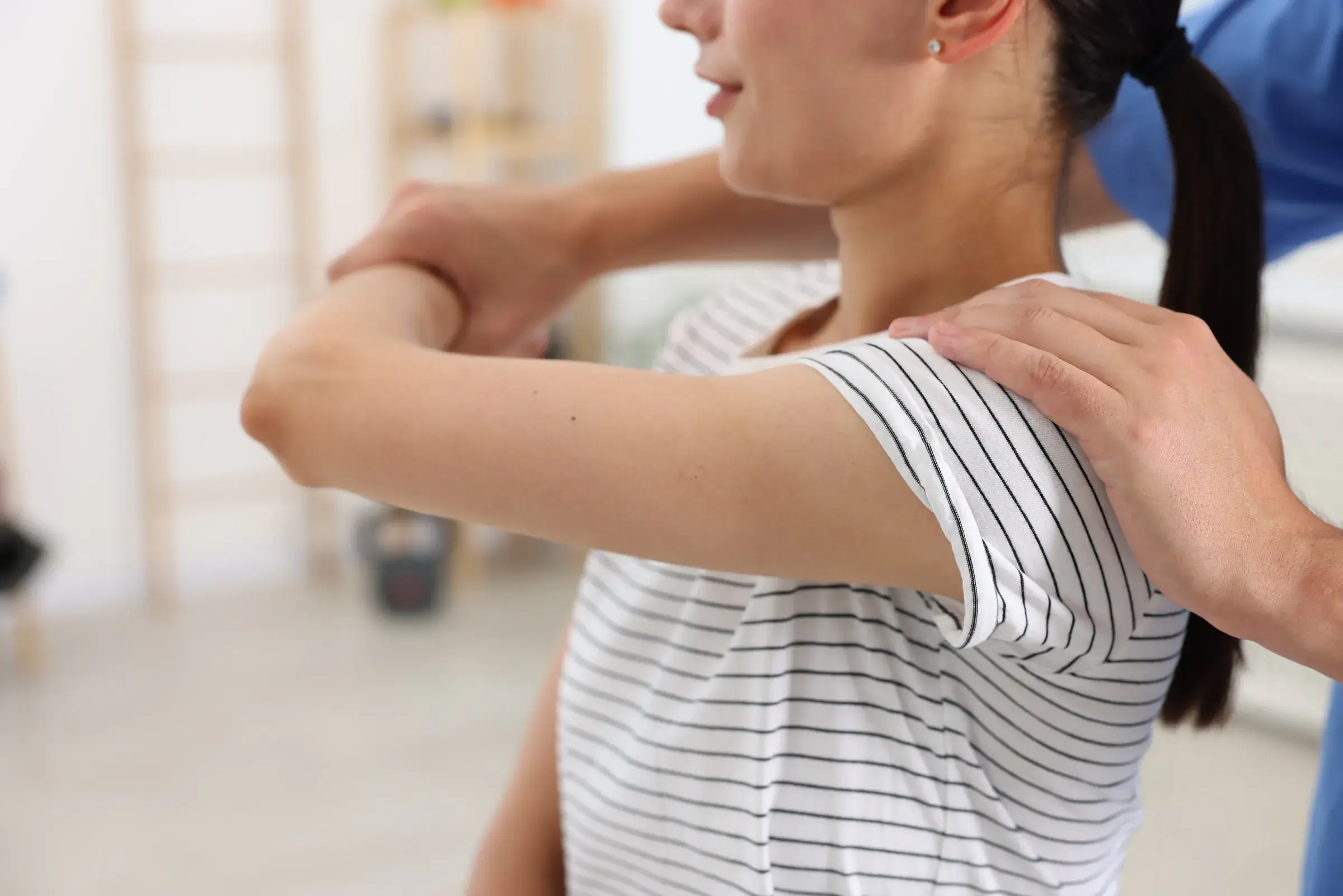
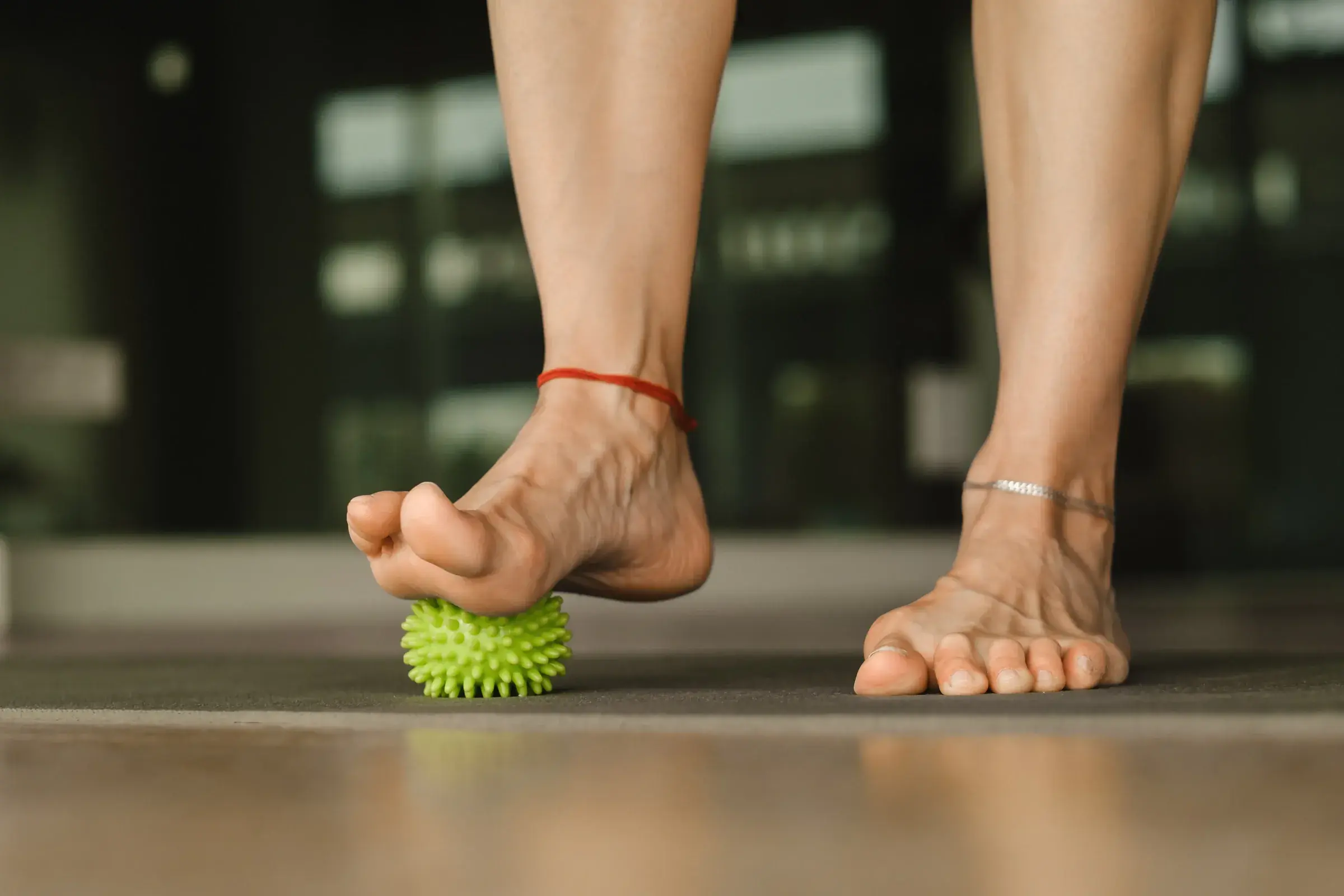
Common examples include tennis elbow (outer elbow), golfer’s elbow (inner elbow), Achilles tendon pain at the back of the heel, patellar tendon pain below the kneecap, and rotator cuff tendon pain in the shoulder.
What causes it?
The most common causes of tendon pain include:
- A spike in load. Doubling your running mileage, a new tennis league, a heavy lifting block, or a week of yard work.
- Repetitive gripping and overhead work. Typing, mousing, racquet sports, climbing and tools load the elbow and wrist tendons over and over.
- Poor load-sharing up the chain. A stiff shoulder or upper back can push more work to the elbow; a weak hip or stiff ankle can overload the Achilles or patellar tendon.
- Too much rest, then too much activity. Tendons weaken when unloaded, so returning to full training after a break is a classic trigger.
- Old injuries and compensations. An old ankle sprain, a shoulder injury or a back problem can change how you move. Over time, one tendon ends up doing more than its share.
How Dr. Tako finds the source
A tendon usually hurts because something keeps overloading it. Dr. Tako’s evaluation looks at how the whole limb and spine share the work, not only at the tendon that hurts.
A common example: a golfer with pain on the inside of the elbow whose shoulder lost rotation after an old injury. The elbow and wrist make up the difference on every swing. Shockwave can help the elbow tendon recover, but restoring shoulder movement is what stops it being overloaded again.
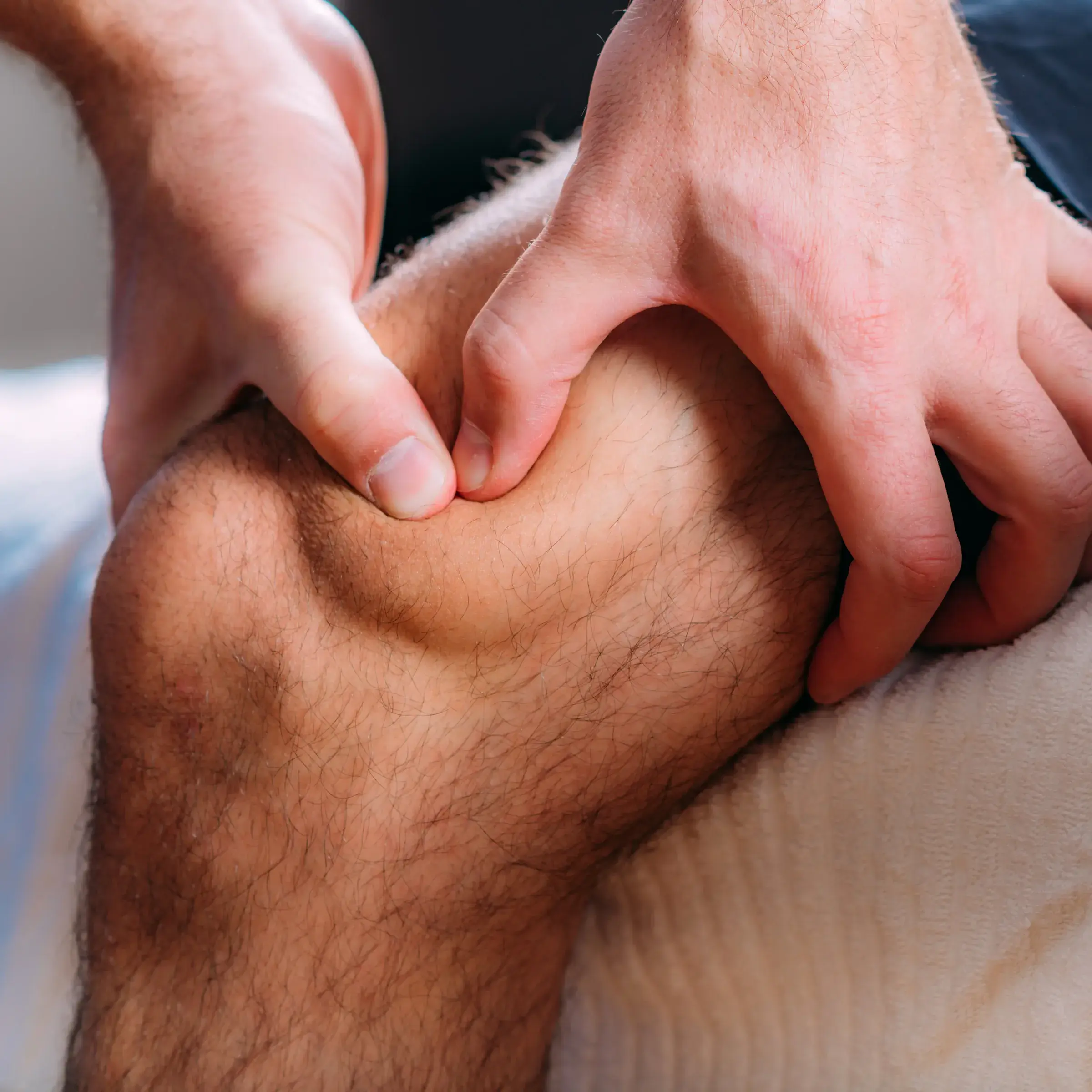
The evaluation typically includes your history (including old injuries), how you move in your sport or job, joint testing and muscle strength testing. Dr. Tako also uses P-DTR, a functional neurology method that tests how the nervous system responds to specific areas. It can reveal protective patterns, such as muscles that test “off” and leave a tendon to absorb more force. Treatment often combines EPAT shockwave on the tendon with chiropractic care, including extremity adjustments and instrument-assisted soft-tissue work, for the joints around it.
The goal is a clear answer to three questions: which tendon is the problem, why it’s overloaded, and what will keep it from coming back.
Tendon pain in runners, racquet sports, lifters and desk workers
For runners, Achilles and patellar tendon pain usually follows a training change. For tennis, pickleball and golf players, the elbow and shoulder take the load. For lifters and grapplers, it’s often the elbow, shoulder or knee after a heavy block. And for desk workers, hours of typing and mousing can be enough to irritate the forearm tendons.
Dr. Tako has a competitive sports background himself and looks at how you actually load the tendon in your sport or work. Part of the plan is a safe return: what to keep doing, what to pause, and how to build the tendon’s capacity back. Because tendons need load to recover, many active patients keep some form of training during care.
When to seek urgent care instead
A sudden pop or snap with sharp pain and immediate weakness, such as being unable to push off or rise on your toes after an Achilles injury, can mean a tendon rupture. See a medical doctor or urgent care right away. Also get checked first for a hot, red, swollen joint with fever, tendon pain that started after taking a fluoroquinolone antibiotic, or pain in several joints at once.
This page is for education and isn't a substitute for a medical diagnosis. Individual results vary.