
 Medically reviewed by Dr. Meir Tako, DC, CCSP · Updated
Prenatal chiropractic care helps with the back, hip and pelvic pain that often comes with pregnancy. Dr. Tako uses gentle adjustments, the Webster technique and tables and cushions that avoid pressure on your abdomen. Most patients start with an evaluation of the pelvis, spine and old injuries, and keep their OB or midwife informed.
What is prenatal chiropractic care?
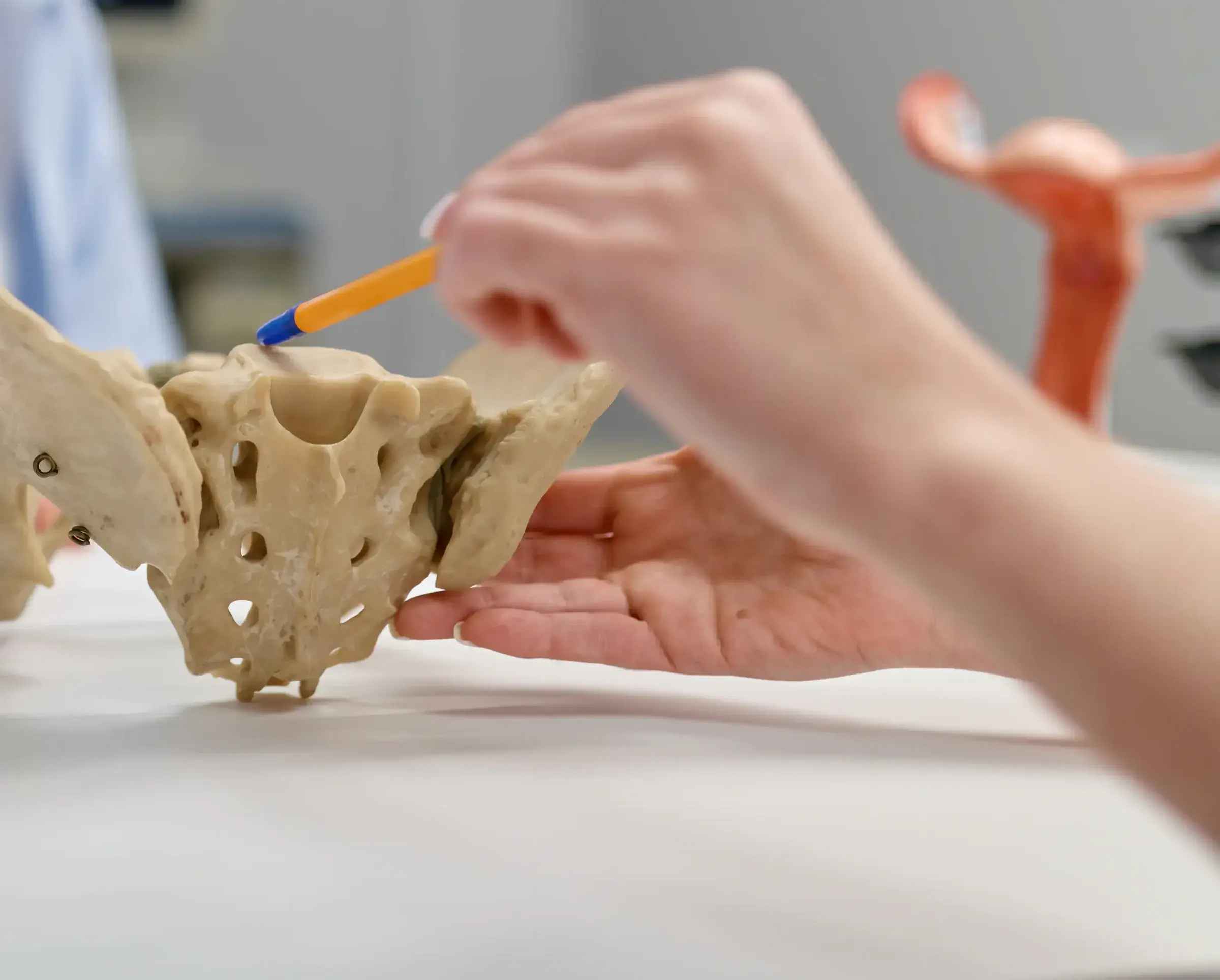
Prenatal chiropractic care is gentle, pregnancy-specific care for the spine and pelvis. As your baby grows, your center of gravity shifts forward, your lower back arches more, and the hormone relaxin loosens the ligaments that hold your pelvis together. That combination keeps your pelvis adaptable, but it also makes it easier for one side to move more than the other.
When the pelvis loses balance, the muscles and ligaments around it have to work harder. That’s often where pregnancy back pain, round ligament pain and hip pain come from.
Dr. Tako uses the Webster technique, a specific chiropractic analysis and adjustment of the sacrum and pelvis, together with gentle release of the surrounding soft tissue. The goal is simple: pelvic balance and comfort while your body changes. It is not an obstetric procedure, and it isn’t used to change your baby’s position. Those questions belong with your OB or midwife.
Care is done on tables and cushions that adjust to your body, with no pressure on your abdomen.
Common symptoms
- Low back pain, especially after standing, walking or at the end of the day
- Sharp pain in the groin or lower belly when you stand up, roll over or cough (round ligament pain)
- Pain at the front of the pelvis (pubic bone) when you walk, climb stairs or get out of a car
- Pain in the buttock or down the back of the leg (sciatica-type pain)
- Hip pain that makes it hard to sleep on one side
- Mid-back, rib or neck tension as your posture and breathing change
- Tingling or numbness in the hands (carpal tunnel-type symptoms)
What causes it?
Common reasons pregnancy brings new aches include:
- Looser ligaments. Relaxin and other hormones soften the ligaments of the pelvis. More movement means more demand on the muscles that stabilize it.
- A shifting center of gravity. The growing bump pulls your posture forward, increasing the curve in your lower back and loading the joints at the back of the pelvis.
- Uneven pelvic joints. When one sacroiliac joint or the pubic joint moves differently from the other, the ligaments and muscles on one side tighten to compensate.
- Old injuries and compensations. A fall on the tailbone, an ankle sprain or a car accident years ago can leave a pattern your body managed fine, until pregnancy adds weight and loosens everything.
- Daily habits. Long hours at a desk, carrying a toddler on one hip, or sleeping in one position can all add strain.
How Dr. Tako finds the source
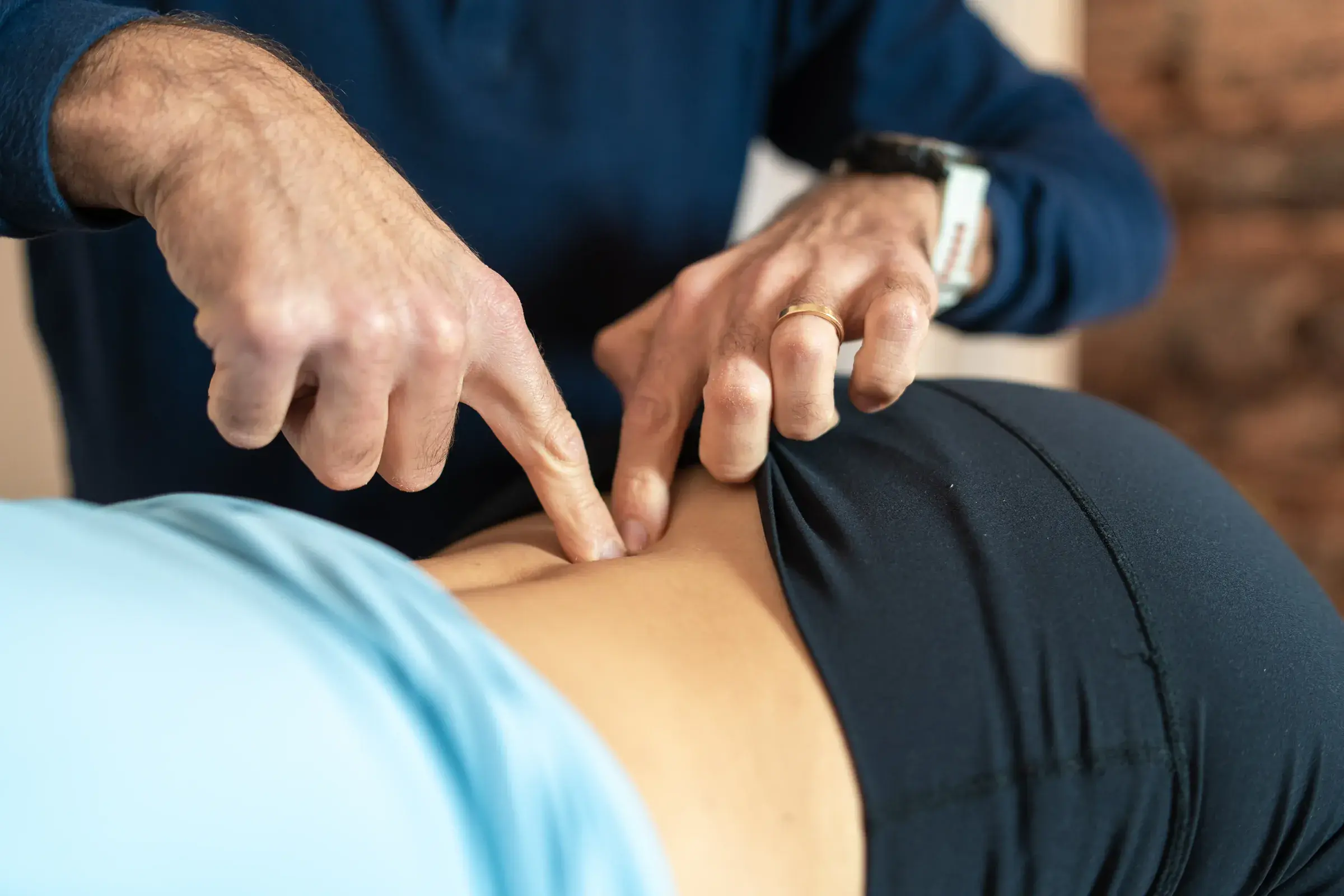
Pain in pregnancy doesn’t always start where it hurts. Dr. Tako’s evaluation looks at how your pelvis, spine and nervous system work together, and at old injuries you may have forgotten about. A patient with one-sided groin pain, for example, may have a pelvic imbalance that traces back to a fall on the tailbone years before pregnancy.
The first visit includes your health and pregnancy history, gentle movement and joint testing, and the Webster pelvic analysis. Dr. Tako also uses P-DTR, a functional neurology method. It uses gentle muscle resistance tests and stimulation of sensory receptors to find and reset nerve-receptor imbalances affecting muscles, ligaments and soft tissue. It’s non-invasive and painless, which makes it well suited to pregnancy. Where needed, Dr. Tako adds gentle adjustments.
Some patients also ask about nutrition. Through Nutrition Response Testing, Dr. Tako can recommend a pregnancy-safe, whole-food supplement plan to support your diet. It doesn’t replace your prenatal vitamins or your OB’s advice, so share any supplement plan with your provider.
The evaluation answers three questions: what is straining your pelvis, why it started, and what will keep you comfortable as pregnancy progresses.
Prenatal care by trimester
Every pregnancy is different, but this is what care often looks like at each stage.
First trimester (weeks 1–13). Many patients come in early to get a baseline, especially if they’ve had back pain before or in a previous pregnancy. Visits focus on the evaluation, old injuries and pelvic balance before your body starts changing quickly. Care is gentle and adapted to how you’re feeling that day.
Second trimester (weeks 14–27). This is when round ligament pain, low back pain and pubic pain often show up, as your bump grows and ligaments loosen. The Webster analysis and adjustment, soft-tissue release and P-DTR are the core of care. Dr. Tako will also suggest sleep positions and simple ways to get in and out of bed and the car.
Third trimester (weeks 28 to birth). Comfort becomes the main goal. Positioning on the table changes, using side-lying and cushions as needed. Many patients notice sciatica-type pain, rib tension and sleep problems at this stage. Visit frequency depends on your comfort and what your care team recommends.
Throughout pregnancy, the roles are clear: Dr. Tako works on muscles, joints and the nervous system, and your OB or midwife manages the pregnancy itself. If anything in your history or symptoms suggests you need medical attention, he’ll tell you to call them first.
When to seek urgent care instead
Call your OB, midwife or labor and delivery unit right away for vaginal bleeding, leaking fluid, regular contractions before 37 weeks, severe or sudden abdominal pain, or a noticeable drop in your baby's movements. A severe headache, vision changes or sudden swelling of the face and hands can signal preeclampsia. Pain, swelling and warmth in one calf, or chest pain or shortness of breath, need emergency care. These are not chiropractic problems.
This page is for education and isn't a substitute for a medical diagnosis. Individual results vary.