 Medically reviewed by Dr. Meir Tako, DC, CCSP · Updated
P-DTR (Proprioceptive Deep Tendon Reflex) is a hands-on functional neurology method developed by Dr. José Palomar. It uses manual muscle testing and light stimulation of sensory receptors — touch, pressure, stretch — to find and reset protective signals the nervous system keeps sending after an injury, which can contribute to lingering pain, weakness and limited movement.
What is P-DTR?
P-DTR stands for Proprioceptive Deep Tendon Reflex. It’s a functional neurology method developed by Dr. José Palomar, an orthopedic surgeon and neurologist from Mexico, and it’s practiced by trained clinicians around the world.
The idea behind it is simple. Your brain builds its picture of your body from information sent by sensory receptors — in your skin, muscles, tendons, ligaments and joints. That picture decides how your muscles fire, how you move and when you feel pain. If a receptor becomes over-sensitive, usually after an injury, it keeps sending a “danger” signal, and the brain responds by protecting the area: tightening some muscles, switching others off and changing how you move.
Why pain can outlast an injury
Take a common example: an ankle sprain. The ligament heals in a few weeks. But the receptors around the ankle may stay on high alert, still protecting against the next sprain. The brain keeps adjusting how you walk. Years later, the result can show up somewhere else entirely — a knee that aches on runs, a hip that’s always tight, a lower back that “goes out” for no clear reason.
That’s why P-DTR is so useful for pain that hasn’t responded to other care. The problem isn’t always the tissue that hurts; sometimes it’s the signal that’s still being sent.
What happens in a session
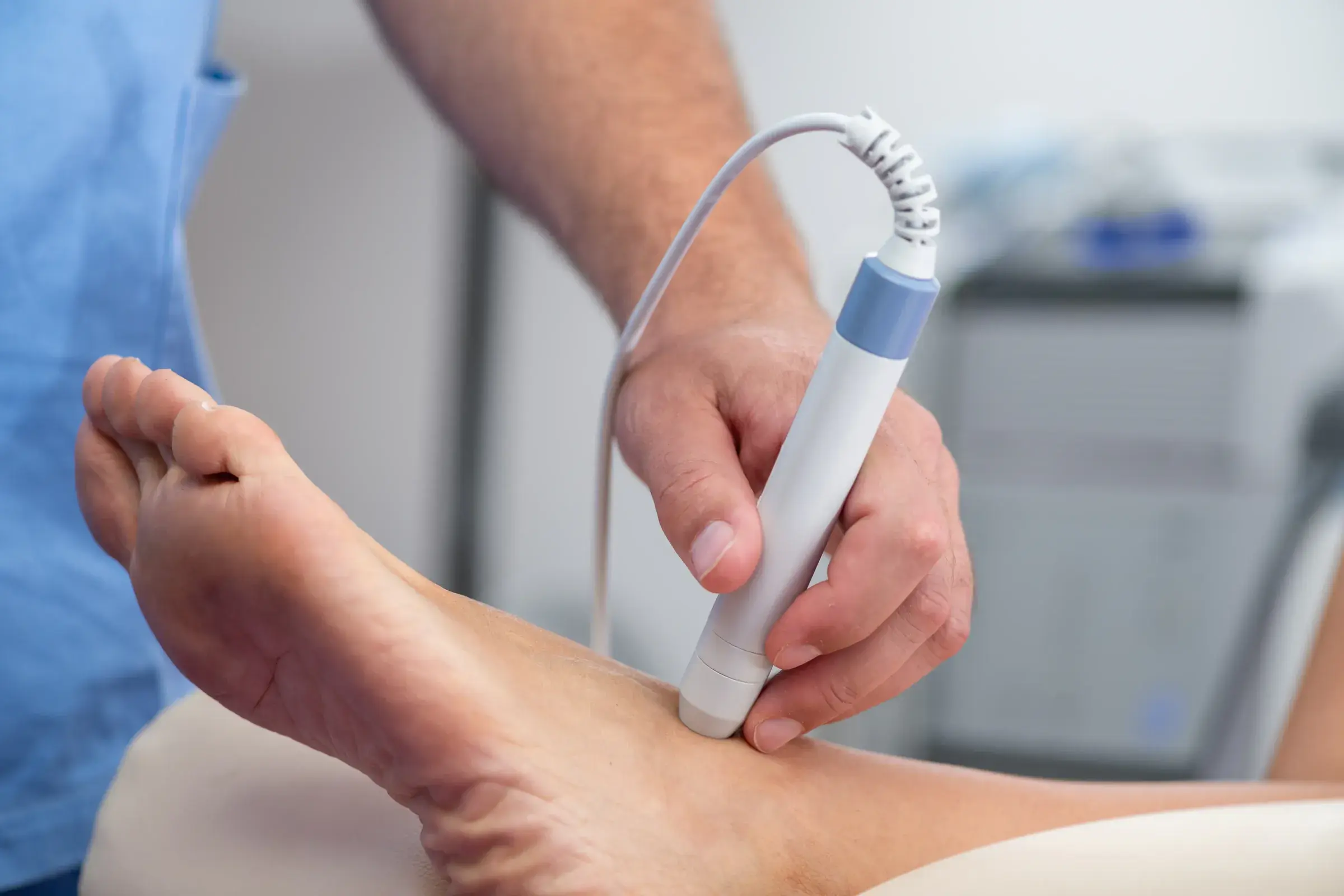
P-DTR is hands-on and uses no equipment.
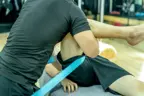
- Testing. Dr. Tako tests the strength of specific muscles while you gently resist with an arm or leg. These manual muscle tests show how your nervous system responds.
- Finding the signal. He lightly stimulates different areas — a touch, a stretch, pressure, a change in position — and re-tests. When a muscle suddenly weakens or strengthens, it points to a receptor that’s sending the wrong information.
- Resetting it. Using specific combinations of stimulation, he resets the receptor’s signal and re-tests to confirm the change.
- Following the chain. One problem often creates compensations elsewhere. P-DTR traces the primary source and the secondary areas that adapted to it.
Sessions are gentle and painless, and you stay fully clothed.
Who P-DTR is for
Dr. Tako uses P-DTR for:
- Chronic or unexplained pain that hasn’t responded to other care
- Old injuries that still affect how you move — sprains, surgeries, falls, scars
- Athletes with recurring injuries, weakness or a side that never feels “right”
- Pain that keeps returning after adjustments or physical therapy
- Pregnancy and postpartum care, where a non-invasive, painless approach matters
It isn’t a replacement for medical care. If your symptoms need imaging, a specialist or urgent attention, Dr. Tako will tell you.
How it fits with chiropractic care
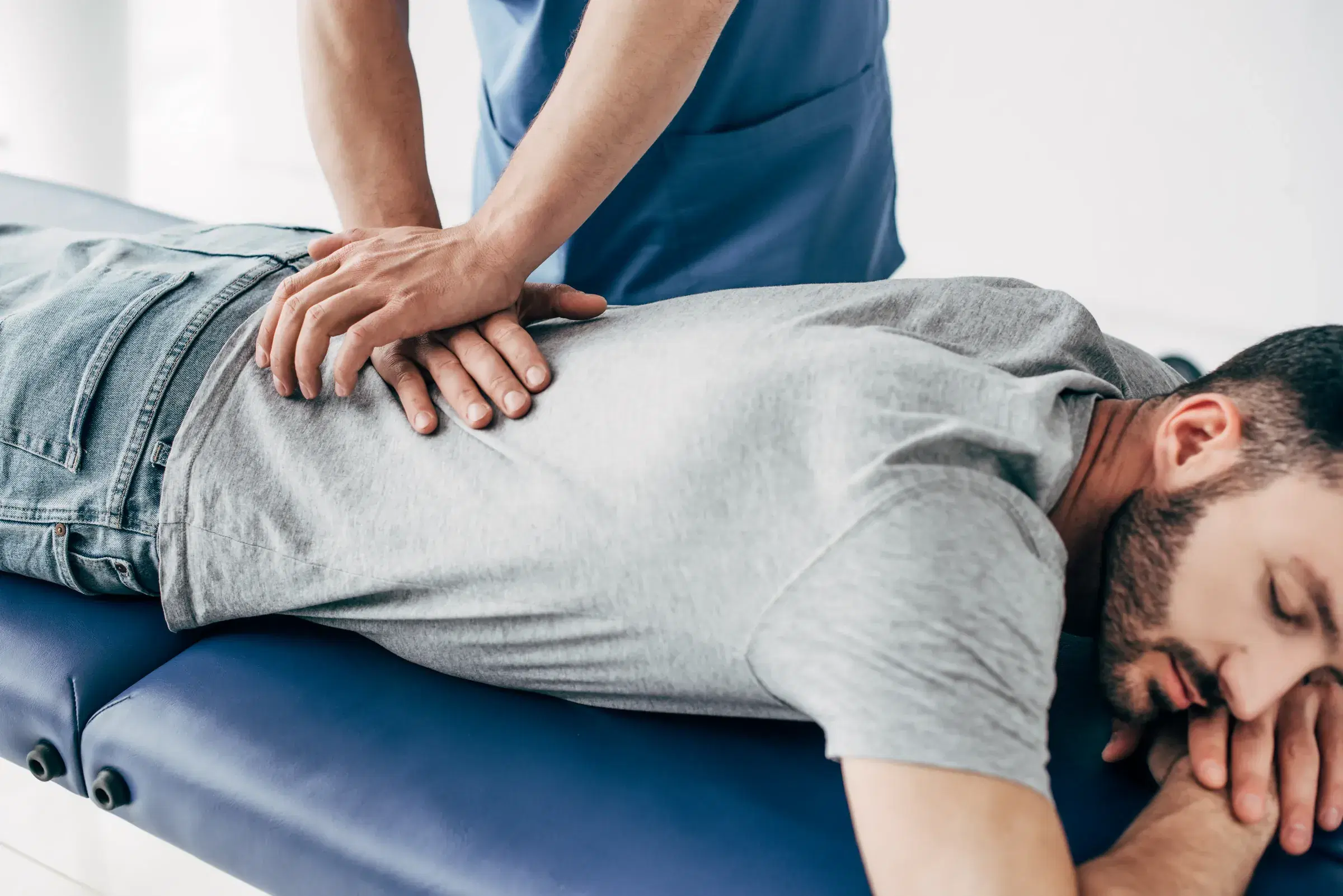
P-DTR and chiropractic care work on different parts of the same problem. Adjustments restore how joints move; P-DTR changes how the nervous system controls the muscles around them. Used together, the changes are more likely to hold. Most of Dr. Tako’s patients receive both, chosen visit by visit based on what testing shows.
- P-DTR® method — developed by Dr. José Palomar
Results vary. This page is educational and not a substitute for medical advice.