 By Dr. Meir Tako, DC, CCSP · Updated · 8 min read
- P-DTR (Proprioceptive Deep Tendon Reflex) is a hands-on functional neurology method that looks at how your body's sensory receptors report to your brain.
- A muscle that "tests weak" in P-DTR usually isn't a strength problem. It's read as a sign that the nervous system is holding that muscle back.
- P-DTR uses manual muscle testing, like applied kinesiology, but it doesn't test for organ, nutrition or food problems.
- Published research on P-DTR is limited. Ask any practitioner about their training and how they combine it with other care.
P-DTR, short for Proprioceptive Deep Tendon Reflex, is a hands-on functional neurology method developed by Dr. José Palomar. It uses manual muscle testing and light stimulation of sensory receptors to find signals the nervous system is still sending after an injury. Research on it is limited, so it's best used by a trained clinician as part of a broader evaluation.
What is P-DTR, in one paragraph?
P-DTR stands for Proprioceptive Deep Tendon Reflex. It’s a hands-on functional neurology method that checks how your body’s sensors are reporting to your brain, and then uses light touch, pressure, stretch or movement to change signals that seem to be stuck “on”. The goal is to reduce the protective reactions, such as tightness, weakness or pain, that can linger long after an injury has healed.
If you want the short version of how a session works and who it helps, our P-DTR treatment page covers that. This guide goes deeper: where the method came from, what it’s based on, how it compares with other muscle-testing methods, and what the research does and doesn’t say.
Where did P-DTR come from?
P-DTR was developed by Dr. José Palomar, an orthopedic surgeon and neurologist from Mexico. He built it over many years of clinical work, drawing on neurology, reflex testing and his experience with patients whose pain didn’t match what imaging showed.
The method is taught through a series of courses, from introductory to advanced levels. Practitioners come from many backgrounds: chiropractors, physical therapists, medical doctors, osteopaths and other licensed clinicians. That mix is one reason it has spread internationally among people who work with chronic pain and athletes.
What is the proprioceptive deep tendon reflex?
It’s the idea that your reflexes reflect what your sensors are telling your brain. A deep tendon reflex is the quick, automatic response you know from a doctor tapping your knee. “Proprioceptive” means relating to your sense of where your body is and how it’s moving.
P-DTR builds on a simple observation from neurology: reflexes don’t happen in isolation. The response of a muscle depends on all the information arriving at the spinal cord and brain at that moment. Change the input, and the response can change too. P-DTR uses that relationship as a way to test, and then adjust, how sensory information is being processed.
What kinds of receptors does P-DTR look at?
Your body has several families of sensory receptors, and P-DTR looks at many of them. In plain English:
- Position and stretch sensors (proprioceptors). Found in muscles, tendons and joints. They tell your brain how long a muscle is, how much tension it’s under and where each joint sits.
- Touch and pressure sensors (mechanoreceptors). Found in skin and deeper tissue. Some respond to light touch, others to firm pressure, vibration or skin stretch.
- Danger sensors (nociceptors). These warn the brain about possible harm. They’re the reason something hurts, but they can also become over-sensitive.
- Temperature sensors (thermoreceptors). They report hot and cold.
- Balance and orientation inputs. Your inner ear and eyes also feed into how your brain organizes posture and movement.
Each type sends a different “message”. When one of them keeps sending a misleading message, often after a sprain, fall, surgery or scar, the brain can respond by guarding the area. P-DTR tries to identify which receptor type is involved, because the right correction depends on it.
Why do muscles test weak in P-DTR?
A muscle that “tests weak” usually isn’t weak in the gym sense. In P-DTR, a manual muscle test is used as a quick readout of how the nervous system is responding at that moment. When a receptor is sending a conflicting or threatening signal, the brain can briefly inhibit certain muscles to protect you.
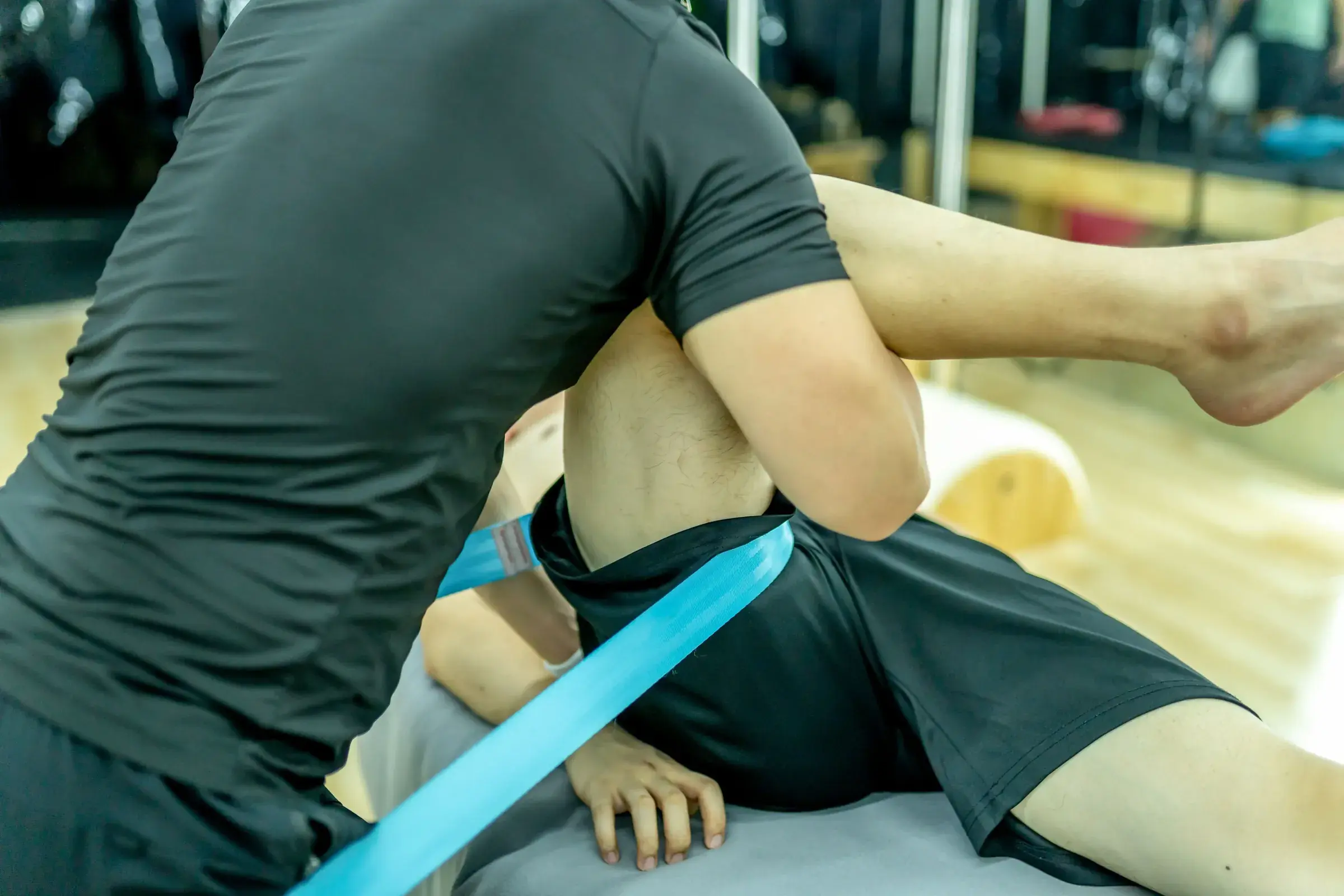
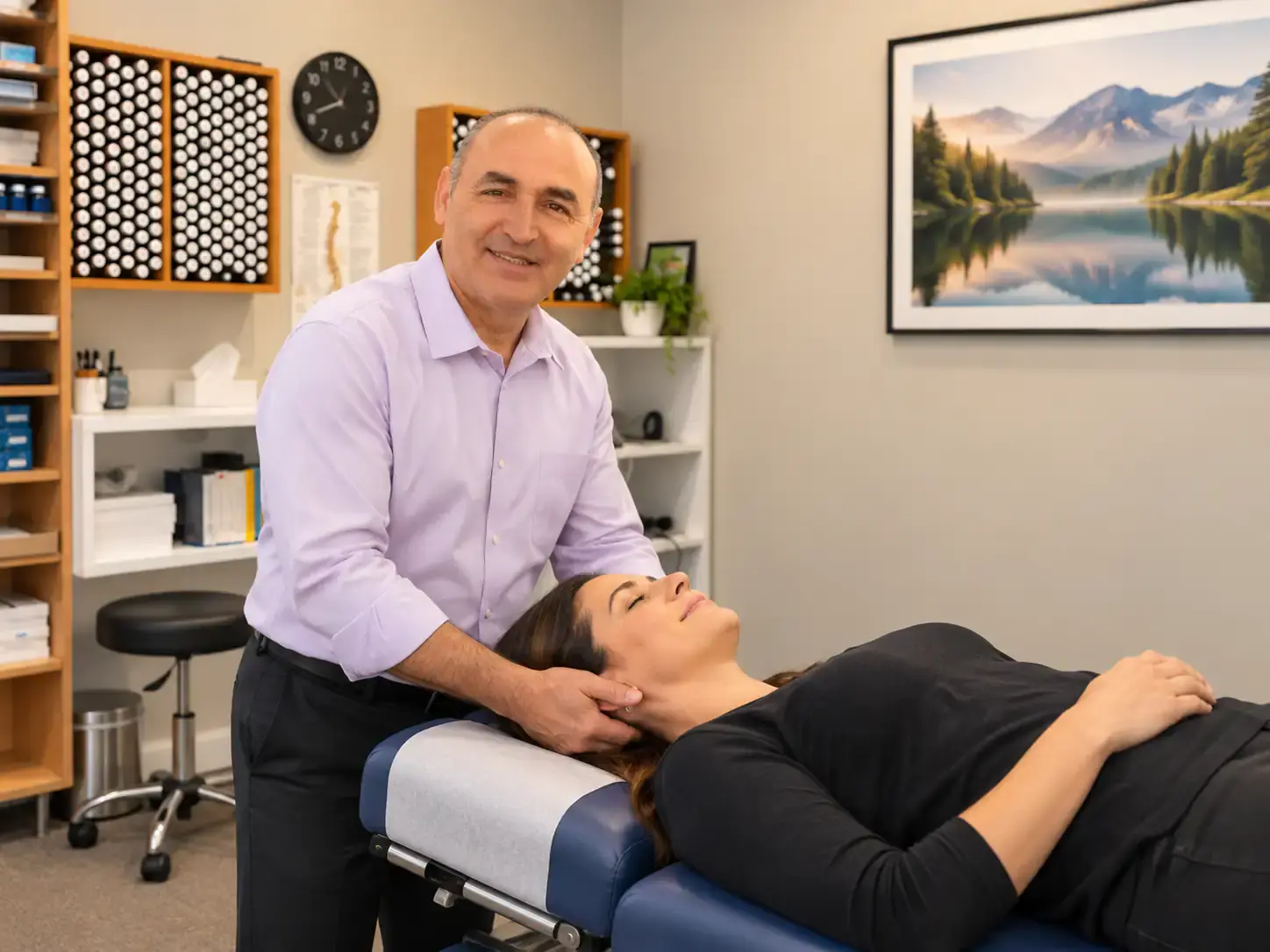
Here’s how that plays out. Dr. Tako asks you to hold an arm or leg against his light pressure. The muscle holds. Then he touches, stretches or presses a specific area and re-tests. If the same muscle suddenly can’t hold, that change is the information. It suggests the stimulus touched something the nervous system is reacting to.
That’s also why a strong athlete can “test weak”. The test isn’t measuring how much you can lift. It’s checking whether the nervous system is letting that muscle switch on cleanly.
Is P-DTR the same as applied kinesiology?
No, although they share one tool. Both use manual muscle testing, so they can look similar from the outside. The difference is in what the test is used for and how results are interpreted.
Applied kinesiology (AK) was developed by chiropractor George Goodheart in the 1960s. Over the years, it has been used by some practitioners to assess not only muscles and joints, but also organs, nutritional needs and sensitivities. Its methods and claims vary widely from one practitioner to the next.
P-DTR stays within the nervous system. It uses muscle testing to check reflex responses to specific sensory stimuli, such as touch, stretch, pressure or joint position, and connects findings to neurological pathways. It isn’t used to diagnose organ problems, food sensitivities or vitamin needs.
Both methods have their supporters, and many skilled clinicians have trained in one or both. If someone uses muscle testing to tell you what to eat or what disease you have, it’s fair to ask what that’s based on.
Does P-DTR work? What does the evidence show?
The honest answer: many patients and practitioners report meaningful changes in pain and movement, but published research on P-DTR is limited. As far as we’re aware, there are no large controlled trials yet. The research that exists is mostly small in scale.
What that means for you:
- What we can say. The method is based on well-established ideas about how sensory input shapes reflexes, muscle tone and pain. Clinicians who use it often see changes during a single session that can be re-tested on the spot.
- What we can’t say. We can’t point to strong research showing how often P-DTR helps a given condition, or how it compares with other treatments. Manual muscle testing also depends on the skill of the person doing it.
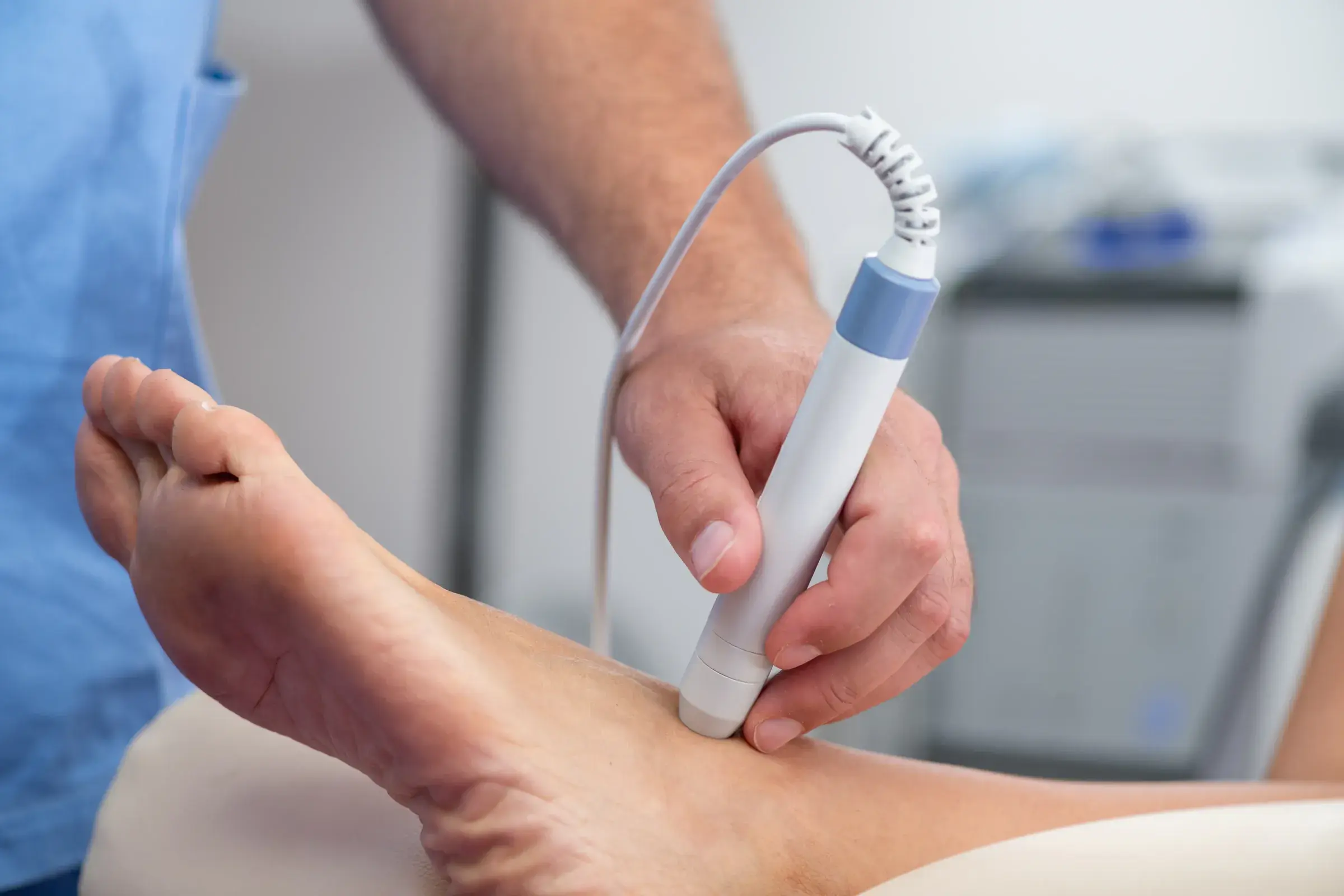
That’s why Dr. Tako uses P-DTR as one part of a broader evaluation, alongside chiropractic care, movement testing and, where it fits, shockwave therapy. He re-tests as he goes, and he’ll tell you if he doesn’t expect it to help.
How do I find a trained P-DTR practitioner near me?
Start with the official P-DTR practitioner directories, which list clinicians by location and training level. Then check that the person is also licensed in their own profession, such as chiropractic, physical therapy or medicine.
Because P-DTR is taught in levels, two practitioners can have very different depths of training. A good practitioner will be happy to explain theirs.
Questions worth asking before you book:
- What P-DTR training levels have you completed, and how long have you been using it?
- What’s your main license or profession? P-DTR is an added skill, not a license on its own.
- How do you decide whether P-DTR is right for my problem?
- What else might you combine it with?
- When would you refer me to a doctor or for imaging instead?
- How will we know if it’s working, and when would we stop?
Clear, specific answers are a good sign. So is someone who’s comfortable saying “that’s not something I’d use P-DTR for”.
Who tends to look into P-DTR?
Most people find P-DTR after other care has helped only partly. Common examples include chronic pain with no clear cause, sciatica-type symptoms that keep returning, a shoulder that never feels fully right, and athletes with recurring injuries on one side.
If you’re an athlete, our guide on whether athletes really need a chiropractor explains how P-DTR fits into sports care.
What should I do next?
If you’re curious whether P-DTR could help with your pain, the first step is an evaluation, not a commitment. Dr. Tako has been in practice since 1998 and will look at your history, test how you move and explain what he finds in plain language. You can read more about Dr. Tako or see what to expect as a new patient.

Dr. Meir Tako, DC, CCSP
Sunnyvale chiropractor since 1998, Certified Chiropractic Sports Practitioner and competitive runner. About Dr. Tako →
Educational content; not a substitute for medical advice. Individual results vary.